Shandong Taixing Advanced Material Co., Ltd.
News

Industry News

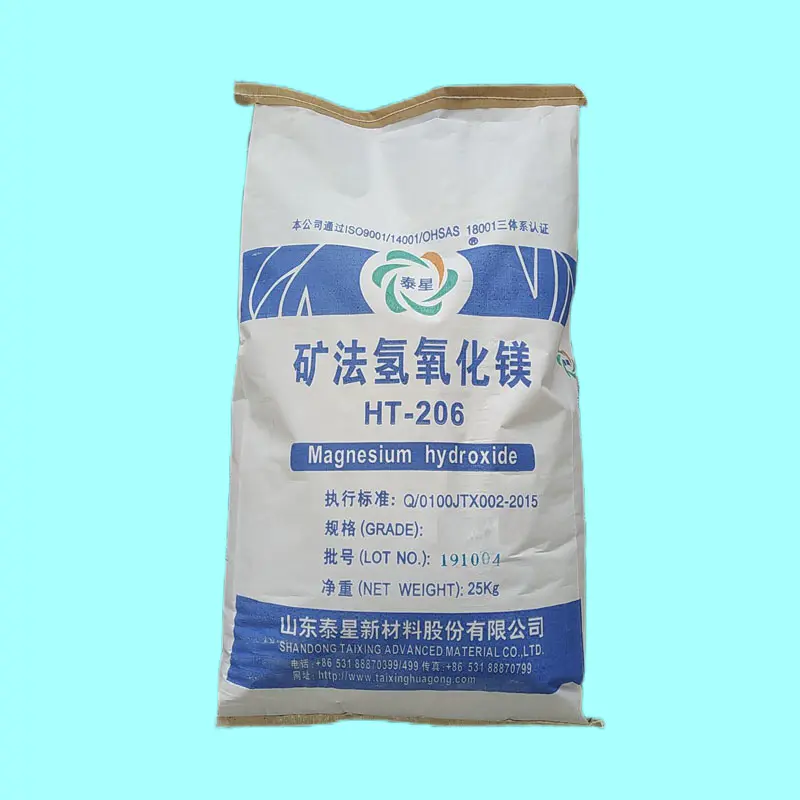
What is Magnesium Hydroxide MDH and How is it Beneficial for Fire Retardant Applications14 2026-04

What is Magnesium Hydroxide MDH and How is it Beneficial for Fire Retardant Applications

Magnesium Hydroxide (MDH) is a widely used inorganic flame retardant with unique properties. It is environmentally friendly, safe, and effective in reducing fire risks. In this blog, we will explore the uses, benefits, and applications of Magnesium Hydroxide MDH, particularly in the manufacturing of fire-resistant materials. The company Taixing is committed to providing high-quality Magnesium Hydroxide MDH for various industrial uses.
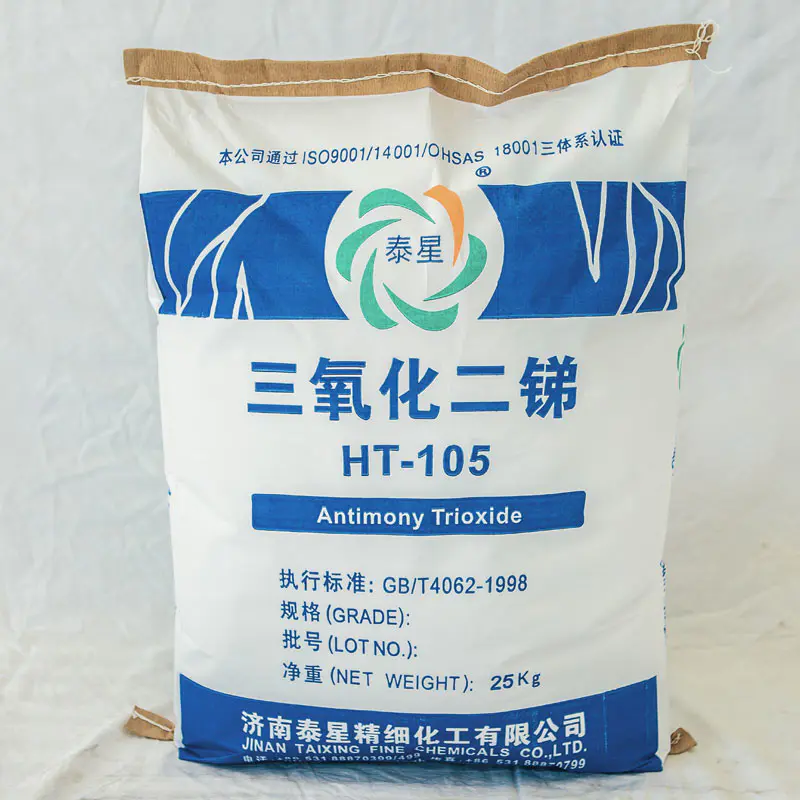
What Is Antimony Trioxide Flame Retardant and How Does It Enhance Safety in Various Industries08 2026-04

What Is Antimony Trioxide Flame Retardant and How Does It Enhance Safety in Various Industries

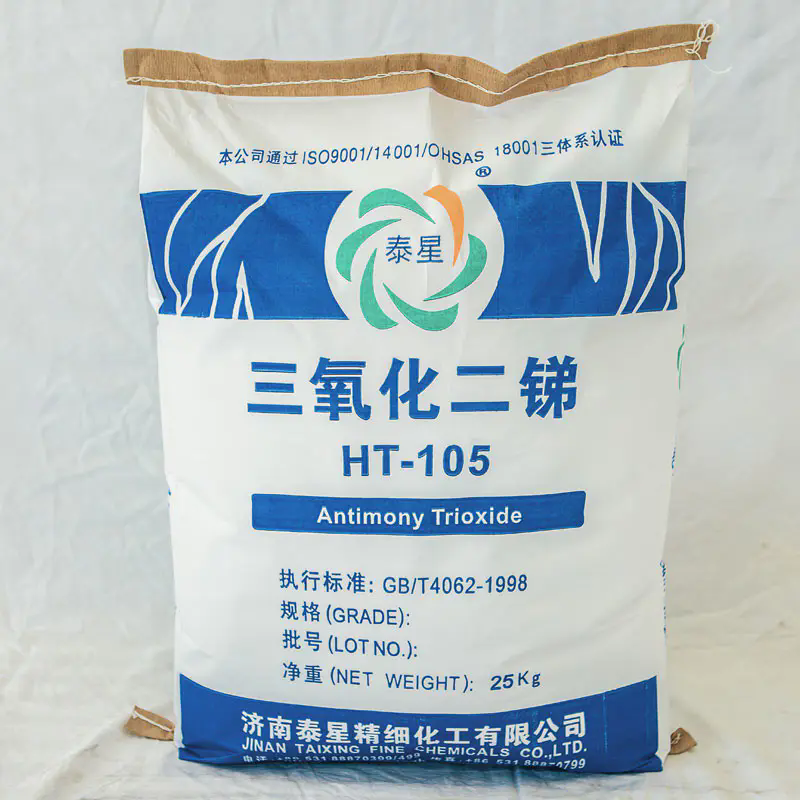
Antimony trioxide flame retardant plays a crucial role in enhancing the fire resistance of materials across industries. This article explores its applications, benefits, and the science behind its use, along with a look at its environmental impact and safety considerations.
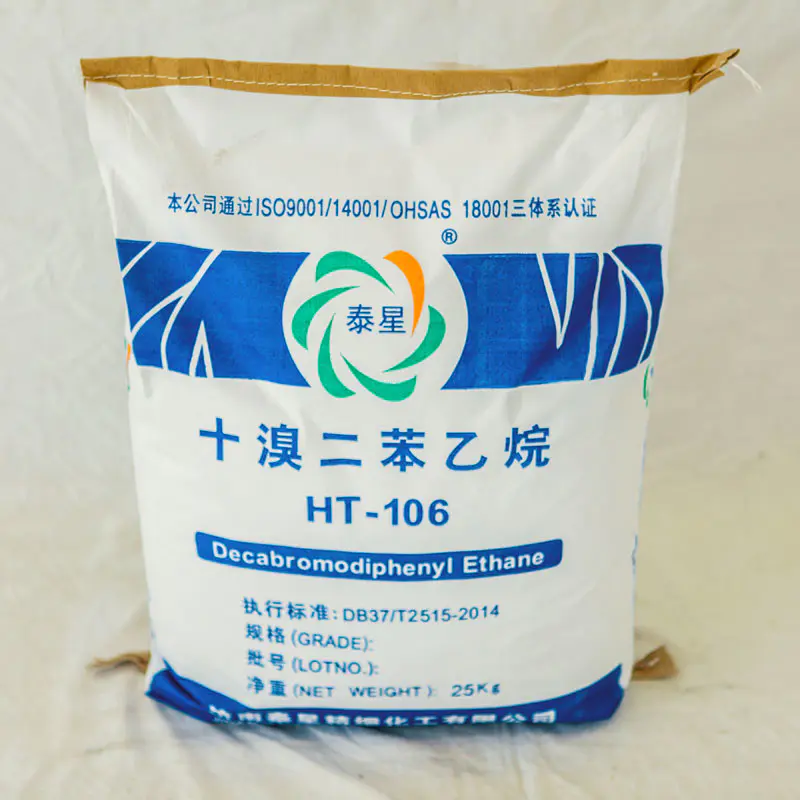
What Is Decabromodiphenyl Ethane and Why Is It the Preferred Flame Retardant in Modern Industries18 2026-03

What Is Decabromodiphenyl Ethane and Why Is It the Preferred Flame Retardant in Modern Industries

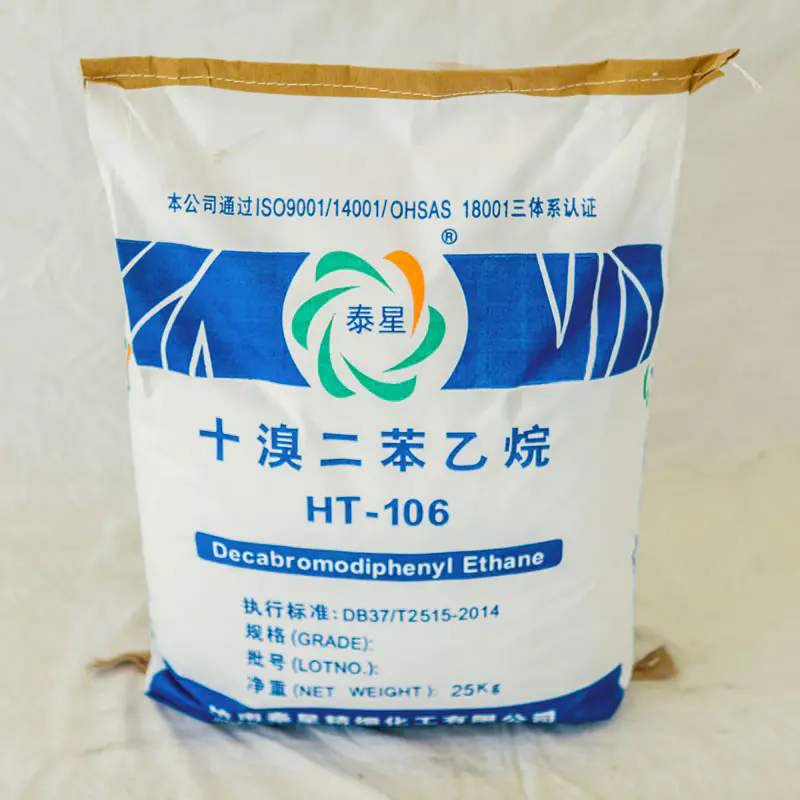
Decabromodiphenyl Ethane (DBDPE) has rapidly become one of the most important brominated flame retardants used across industries such as plastics, electronics, textiles, and construction. As environmental regulations tighten and performance expectations increase, manufacturers are actively seeking safer and more stable alternatives to traditional flame retardants.
How Do Flame Retardant Masterbatches Improve Plastic Fire Safety?11 2026-03

How Do Flame Retardant Masterbatches Improve Plastic Fire Safety?

Flame retardant masterbatches are widely used in modern plastic manufacturing to enhance fire resistance in polymers used across electronics, construction, automotive, and packaging industries. By incorporating concentrated flame-retardant additives into polymer resins, manufacturers can significantly delay ignition, reduce flame spread, and minimize smoke generation. This article explains how flame retardant masterbatches function, their mechanisms, key benefits, applications, and how to select the right solution for industrial production.
How Does Decabromodiphenyl Ethane Improve Flame Retardancy in Industrial Materials?10 2026-03

How Does Decabromodiphenyl Ethane Improve Flame Retardancy in Industrial Materials?

Decabromodiphenyl Ethane (DBDPE) is a high-performance brominated flame retardant widely used in plastics, textiles, electrical components, and engineering polymers. Due to its high bromine content, thermal stability, and excellent compatibility with multiple polymer systems, it has become an important additive for improving fire safety in many industrial products.
How Does Antimony Trioxide Enhance Flame Retardant Performance?03 2026-03

How Does Antimony Trioxide Enhance Flame Retardant Performance?

Antimony Trioxide is a widely used synergistic flame retardant additive that plays a vital role in improving fire resistance across plastics, rubbers, coatings, and textiles. This comprehensive guide explains how Antimony Trioxide works, why it is critical in flame retardant systems, and how manufacturers can select, apply, and control it effectively to solve common production challenges. By understanding its properties, application methods, and performance factors, businesses can improve safety compliance, product consistency, and long-term reliability.
X
We use cookies to offer you a better browsing experience, analyze site traffic and personalize content. By using this site, you agree to our use of cookies. Privacy Policy
Reject Accept