Shandong Taixing Advanced Material Co., Ltd.
News

Industry News

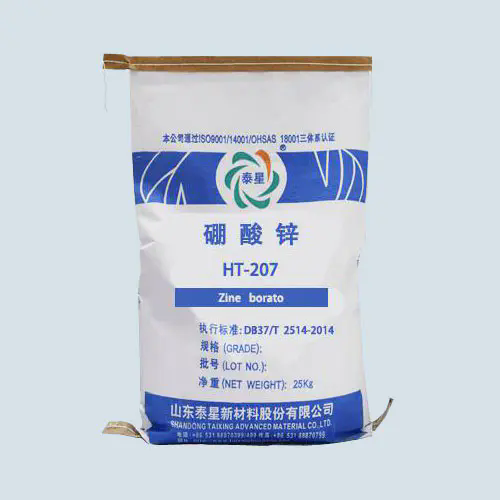
How Does Zinc Borate Enhance Fire Resistance in Materials?28 2026-02

How Does Zinc Borate Enhance Fire Resistance in Materials?

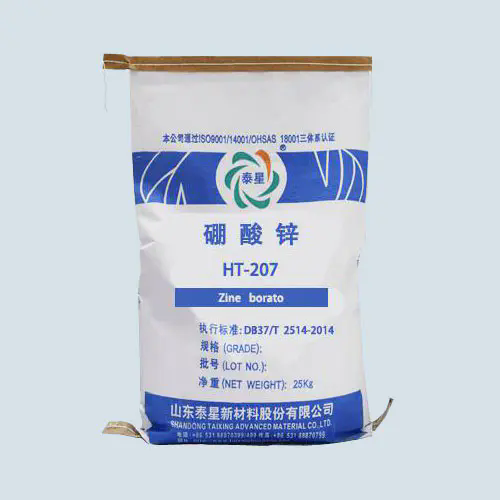
Zinc borate is a highly effective flame retardant used across various industries to improve the fire resistance of materials, especially plastics, rubber, and textiles. Its unique chemical properties allow it to enhance fire safety by reducing flammability and preventing the spread of flames. In this article, we explore the benefits of zinc borate, how it works, its applications, and factors to consider when incorporating it into products. Additionally, we highlight how Taixing supplies high-quality zinc borate solutions tailored to meet specific fire safety needs.
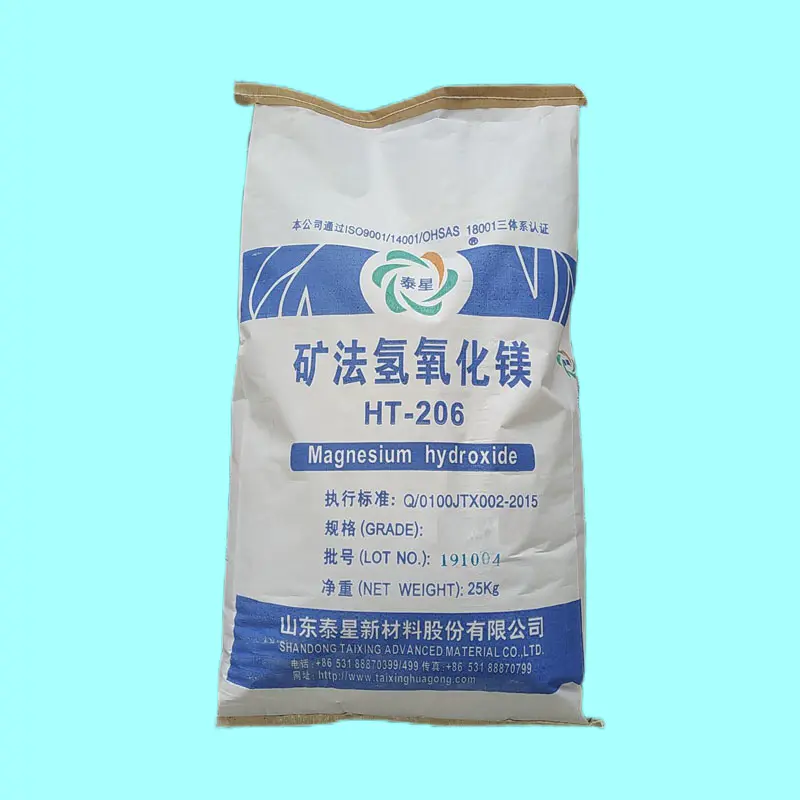
How Does Magnesium Hydroxide Improve Flame Retardancy and Environmental Safety?26 2026-02

How Does Magnesium Hydroxide Improve Flame Retardancy and Environmental Safety?

Magnesium Hydroxide is widely recognized as an effective inorganic flame retardant and smoke suppressant used across plastics, rubber, cables, coatings, and building materials. This article provides a comprehensive explanation of how magnesium hydroxide works, why it is increasingly preferred over traditional halogen-based flame retardants, and how manufacturers can address common application challenges such as dispersion, processing temperature, and performance balance. By understanding material properties, selection criteria, and processing considerations, buyers and engineers can make informed decisions for safer and more sustainable production. Taixing offers stable and application-oriented magnesium hydroxide solutions designed for industrial reliability.
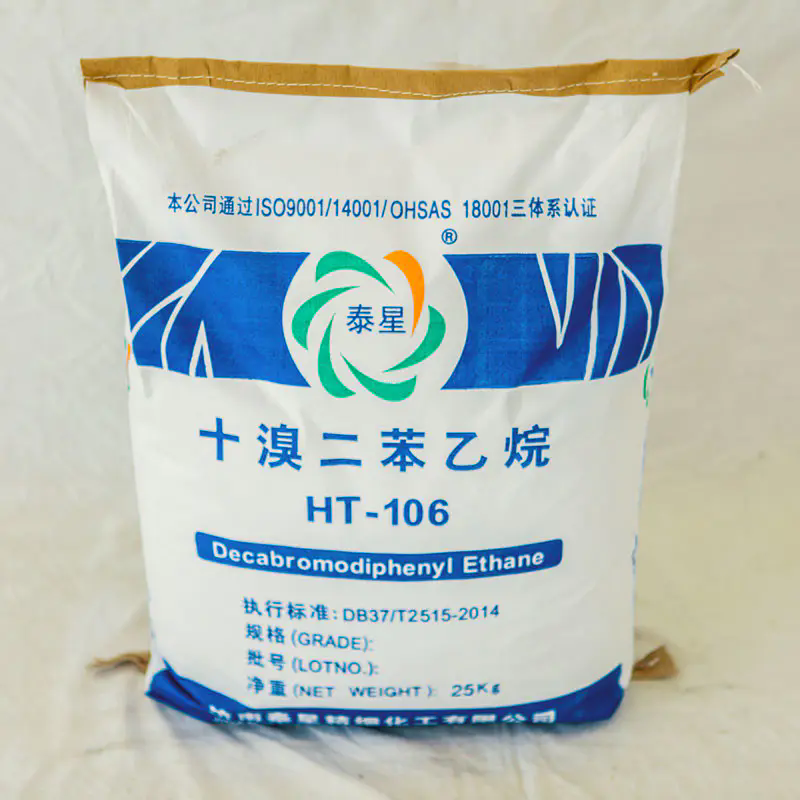
How Does Decabromodiphenyl Ethane Improve Flame Retardancy in Modern Materials?10 2026-02

How Does Decabromodiphenyl Ethane Improve Flame Retardancy in Modern Materials?

Decabromodiphenyl Ethane is widely applied as a high-performance brominated flame retardant in plastics, rubber, electronic components, and construction materials. Many manufacturers face challenges such as meeting strict fire safety standards, maintaining material stability, and ensuring long-term performance without compromising processing efficiency. This article provides a comprehensive explanation of how Decabromodiphenyl Ethane functions, its key technical characteristics, typical applications, and how it addresses real-world customer concerns related to safety, compliance, and durability. The content is structured to support informed decision-making for engineers, procurement managers, and material formulators.
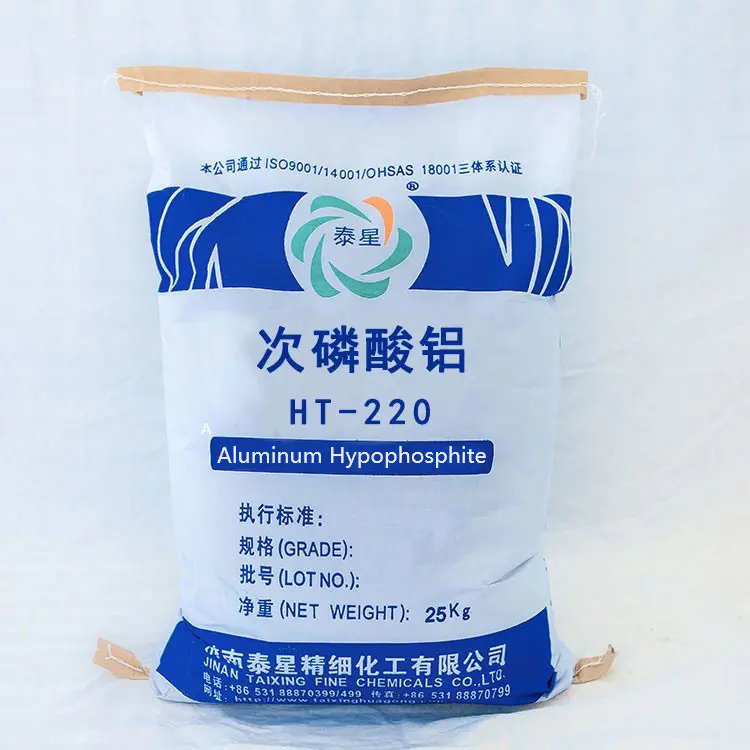
How Can Aluminum Hypophosphite Improve Flame Retardancy in Polymers?05 2026-02

How Can Aluminum Hypophosphite Improve Flame Retardancy in Polymers?

Aluminum Hypophosphite (AlHP) is a high-performance flame retardant widely used in polymer materials. This article explores its properties, applications, advantages, and considerations for selecting the right product, focusing on solutions provided by Shandong Taixing.
How Can Flame Retardant Masterbatches Improve Plastic Safety?03 2026-02

How Can Flame Retardant Masterbatches Improve Plastic Safety?

Flame retardant masterbatches are essential additives that enhance the fire resistance of plastic materials, ensuring compliance with safety standards and improving durability. This article explores their types, applications, advantages, and how manufacturers can select the right masterbatch for specific needs.
How Does a Smoke Suppressor Improve Fire Safety in Polymer Systems?28 2026-01

How Does a Smoke Suppressor Improve Fire Safety in Polymer Systems?

Smoke suppressors are critical functional additives designed to reduce the amount and toxicity of smoke generated during combustion of polymer-based materials. They operate through chemical and physical mechanisms that enhance char formation, interrupt combustion pathways, and limit particulate release. This article provides an in-depth view of smoke suppressor concepts, operational mechanisms, applications, selection criteria, and practical considerations for engineers and safety professionals.
X
We use cookies to offer you a better browsing experience, analyze site traffic and personalize content. By using this site, you agree to our use of cookies. Privacy Policy
Reject Accept