Shandong Taixing Advanced Material Co., Ltd.
News

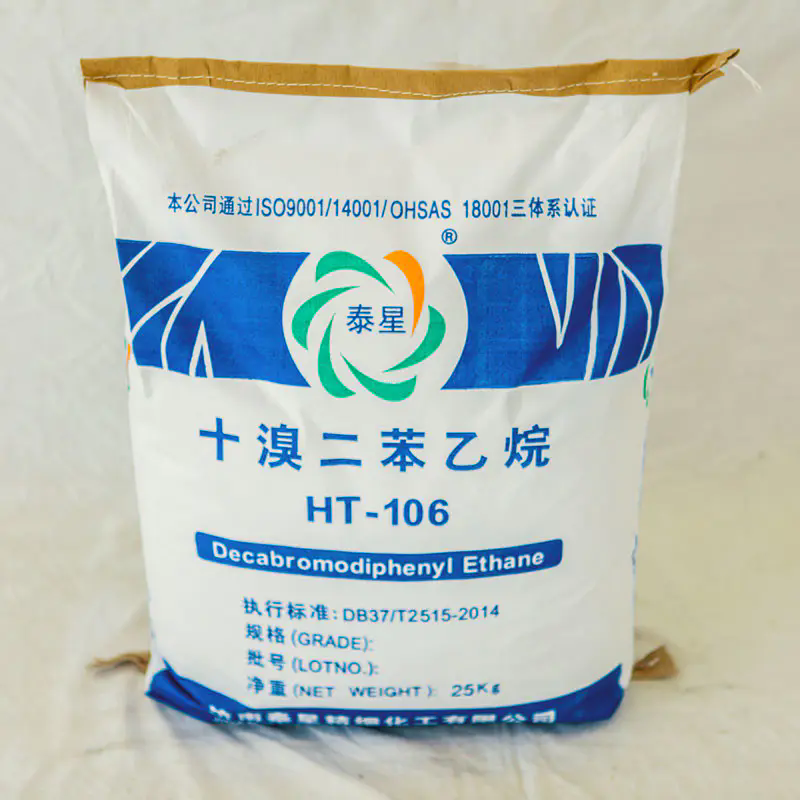
How Does Decabromodiphenyl Ethane Improve Flame Retardancy in Modern Materials?

2026-02-10 0 Leave me a message

Article Abstract

Decabromodiphenyl Ethane is widely applied as a high-performance brominated flame retardant in plastics, rubber, electronic components, and construction materials. Many manufacturers face challenges such as meeting strict fire safety standards, maintaining material stability, and ensuring long-term performance without compromising processing efficiency. This article provides a comprehensive explanation of how Decabromodiphenyl Ethane functions, its key technical characteristics, typical applications, and how it addresses real-world customer concerns related to safety, compliance, and durability. The content is structured to support informed decision-making for engineers, procurement managers, and material formulators.

84852-53-9

Table of Contents


Article Outline

  • Definition and background of Decabromodiphenyl Ethane
  • Flame-retardant mechanism and material compatibility
  • Customer challenges in fire safety and compliance
  • Performance strengths and formulation advantages
  • Industrial and commercial application fields
  • Key technical indicators for evaluation
  • Guidelines for procurement and usage

Overview of Decabromodiphenyl Ethane

Decabromodiphenyl Ethane is a brominated aromatic compound specifically designed for use as an additive flame retardant. It is valued for its high bromine content, excellent thermal stability, and compatibility with a wide range of polymer systems. Unlike earlier-generation materials, this compound demonstrates improved resistance to thermal degradation during high-temperature processing.

In industrial production, it is commonly incorporated into engineering plastics, thermoplastics, elastomers, and polymer blends where fire resistance is a critical requirement. Its physical stability and low volatility make it suitable for applications that demand long service life and consistent performance under heat exposure.


How Decabromodiphenyl Ethane Works

The flame-retardant mechanism of Decabromodiphenyl Ethane is primarily based on bromine radical activity during combustion. When exposed to high temperatures or flame conditions, the compound releases bromine-containing radicals that interfere with the combustion chain reaction in the gas phase.

By interrupting free radical propagation, the material reduces heat release, slows flame spread, and suppresses ignition. At the same time, its stable molecular structure allows it to remain effective without significant decomposition during normal processing temperatures, which is critical for maintaining material integrity.


Common Customer Pain Points

  • Difficulty meeting fire safety standards for electronic and construction materials
  • Loss of mechanical properties after flame retardant addition
  • Processing instability at high molding or extrusion temperatures
  • Concerns over long-term thermal aging and migration
  • Inconsistent flame-retardant performance across batches

Decabromodiphenyl Ethane is designed to address these challenges by providing a balance between fire resistance, processing stability, and material compatibility.


Key Advantages and Performance Benefits

  • High bromine content for efficient flame suppression
  • Excellent thermal stability suitable for high-temperature processing
  • Low volatility, reducing loss during manufacturing
  • Good compatibility with polystyrene, polypropylene, ABS, and other polymers
  • Consistent performance supporting reliable quality control

These advantages make the material particularly suitable for manufacturers seeking dependable flame-retardant solutions without extensive reformulation costs.


Typical Application Scenarios

Decabromodiphenyl Ethane is widely used across multiple industries where fire safety is a non-negotiable requirement.

  • Electronic housings and electrical components
  • Wire and cable insulation materials
  • Automotive interior plastic parts
  • Construction panels and insulation systems
  • Industrial equipment enclosures

Technical Parameters

Parameter Typical Value
Bromine Content ≥ 82%
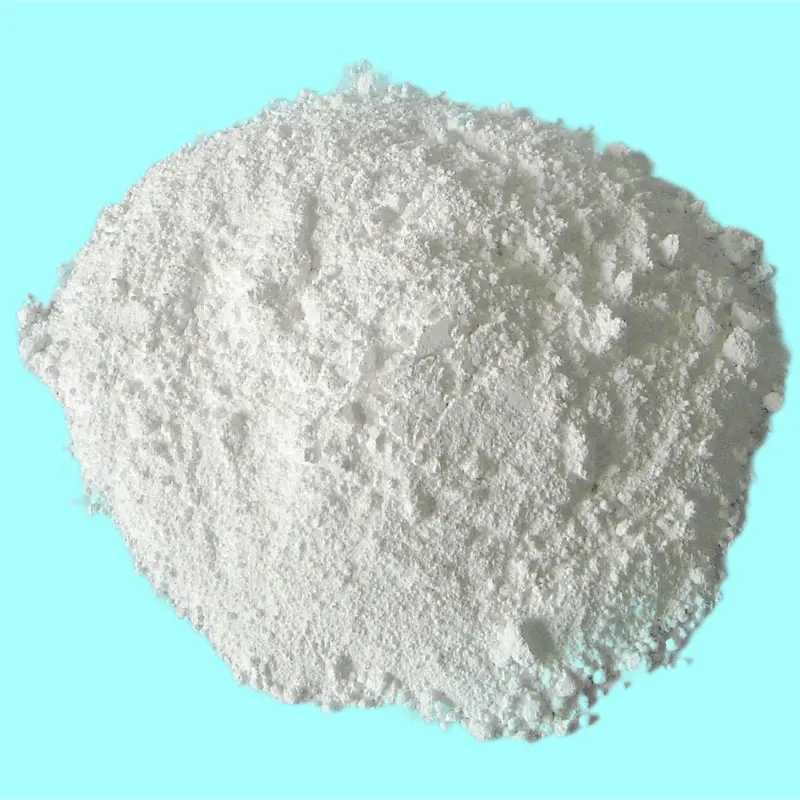
Appearance White to off-white powder
Thermal Decomposition Temperature > 340°C
Volatility Low
Solubility Insoluble in water

How to Select the Right Grade

Selecting an appropriate Decabromodiphenyl Ethane grade depends on the target polymer system, processing temperature, and regulatory requirements. For high-temperature engineering plastics, emphasis should be placed on thermal stability and dispersion quality. In applications with thin-wall molding or strict appearance standards, particle size distribution and whiteness are also critical considerations.

Working closely with an experienced supplier can help ensure the selected grade aligns with both performance expectations and production efficiency.


Frequently Asked Questions

What types of polymers are compatible with Decabromodiphenyl Ethane?
It is compatible with a wide range of thermoplastics and elastomers, including ABS, HIPS, polypropylene, and polystyrene-based materials.

Does it affect mechanical strength?
When properly formulated, it maintains mechanical properties while providing effective flame retardancy.

Is it suitable for long-term use?
Yes, its low volatility and high thermal stability support long service life in demanding environments.


Conclusion and Business Cooperation

Decabromodiphenyl Ethane plays a critical role in improving fire safety across modern industrial materials while maintaining processing stability and consistent performance. Its technical advantages make it a reliable choice for manufacturers facing increasing safety and quality requirements.

As a professional supplier, Taixing is committed to providing stable-quality Decabromodiphenyl Ethane solutions tailored to diverse application needs. For detailed specifications, technical support, or customized supply options, Taixing welcomes potential partners to contact us and explore long-term cooperation opportunities.

Related News
Leave me a message
X
We use cookies to offer you a better browsing experience, analyze site traffic and personalize content. By using this site, you agree to our use of cookies. Privacy Policy
Reject Accept