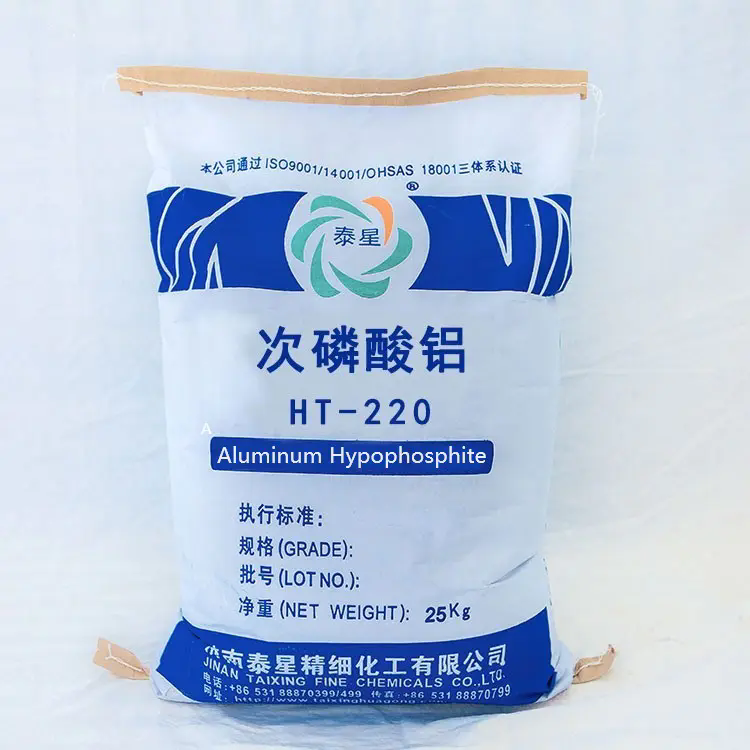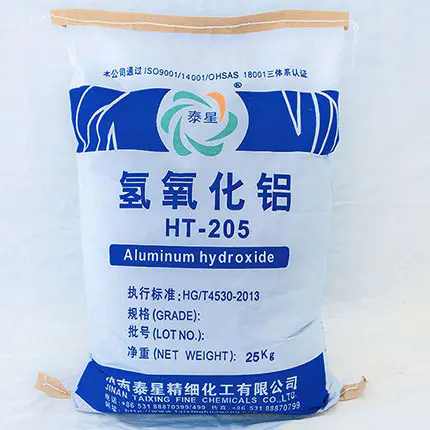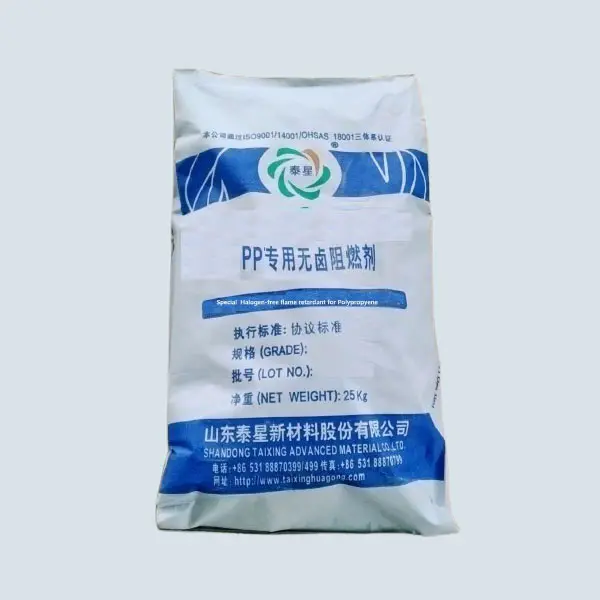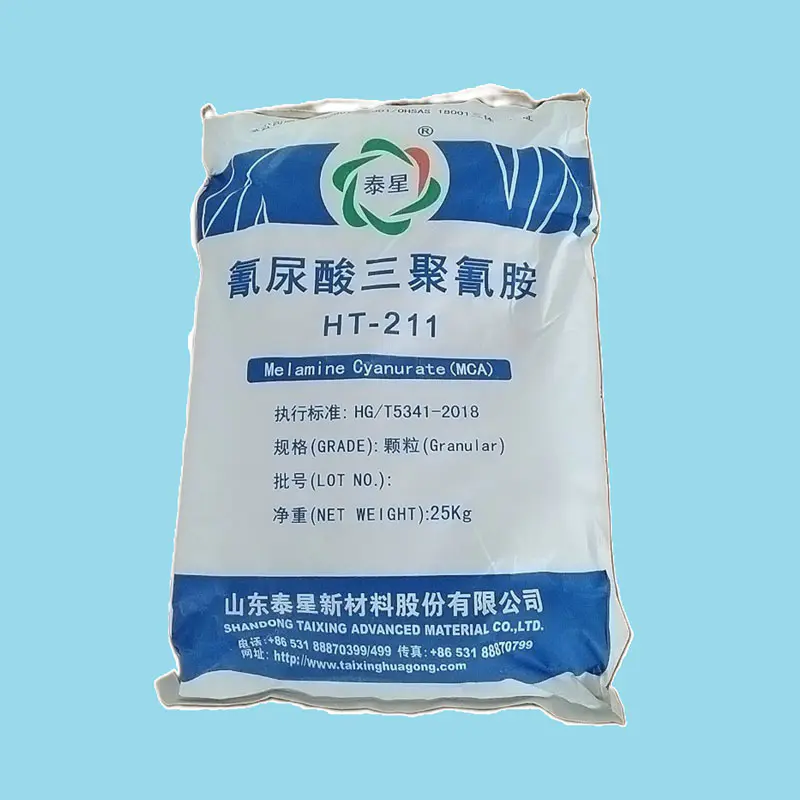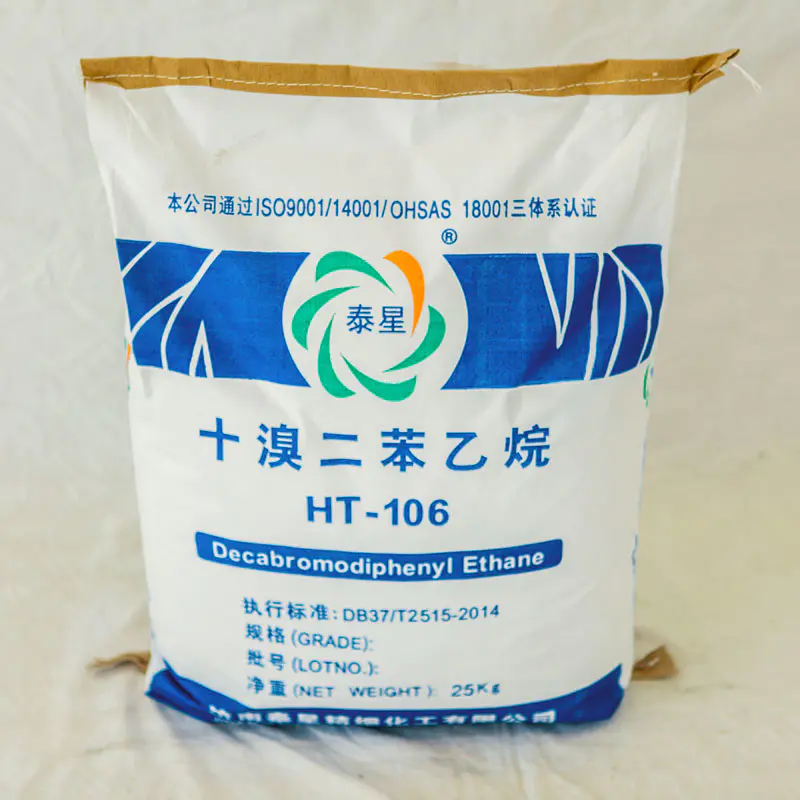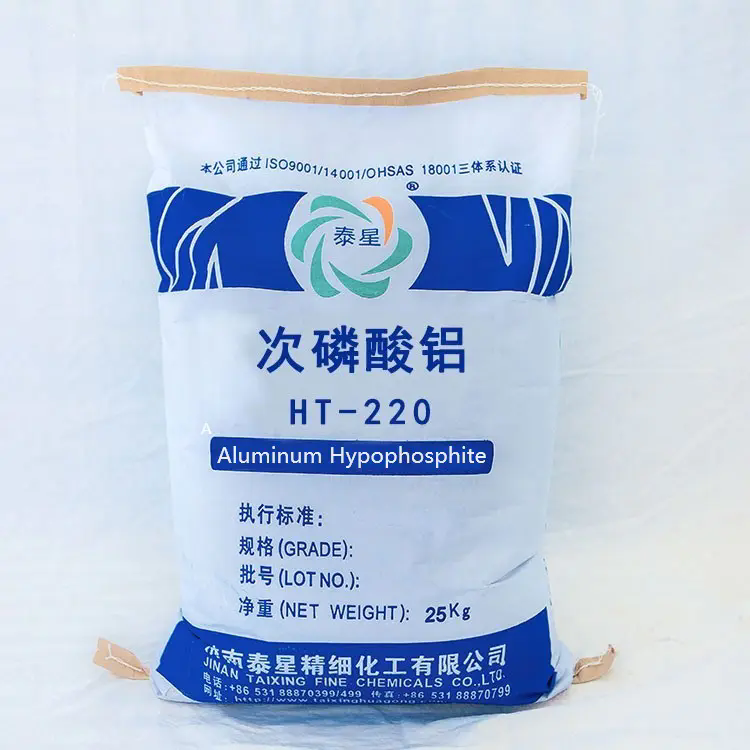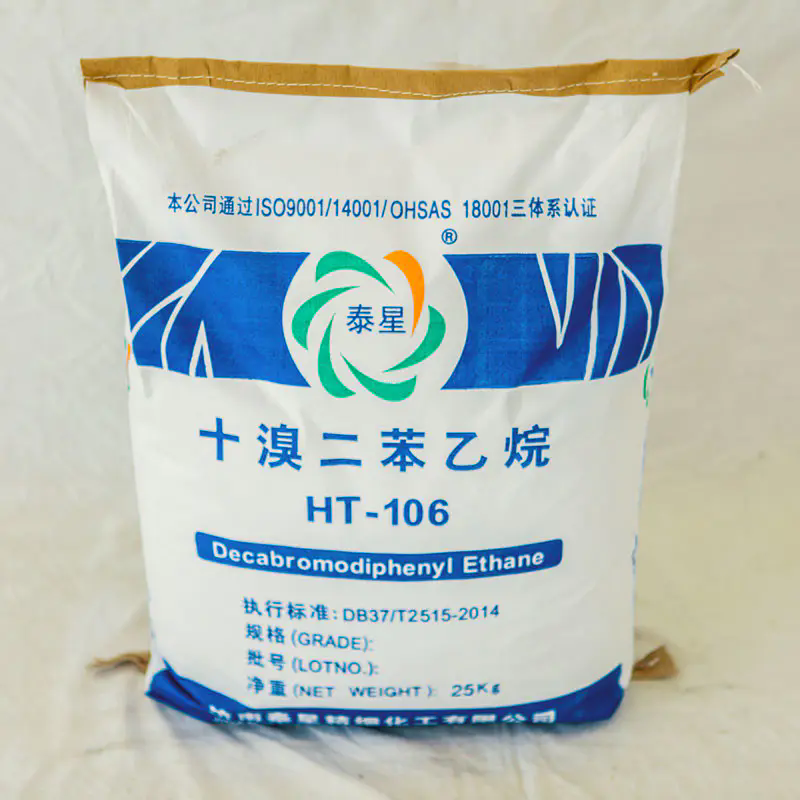
Aluminum Phosphinate is a halogen-free phosphorus-based flame retardant widely applied in engineering plastics and high-performance polymer systems. This article provides a comprehensive technical overview of Aluminum Phosphinate, focusing on its chemical characteristics, application mechanisms, performance parameters, and industry adoption trends.
Aluminum Phosphinate is an organophosphorus compound primarily used as a reactive flame retardant additive in thermoplastic and thermoset polymers. Its flame-retardant efficiency is achieved through a dual-action mechanism that operates in both the gas phase and condensed phase during combustion.
In the condensed phase, Aluminum Phosphinate promotes char formation by facilitating cross-linking reactions within the polymer matrix. This carbonaceous char layer acts as a thermal barrier, limiting heat transfer and oxygen diffusion. In the gas phase, phosphorus-containing radicals interfere with flame propagation by quenching high-energy radicals such as H· and OH·.
This mechanism allows Aluminum Phosphinate to achieve high flame retardancy at relatively low loading levels, particularly in glass fiber reinforced polyamides, polyesters, and high-temperature engineering plastics.
The technical performance of Aluminum Phosphinate is determined by its molecular composition, thermal stability, and dispersion behavior in polymer matrices. The following table outlines typical industrial-grade parameters used for evaluation and specification.
| Parameter | Typical Value | Test Method |
|---|---|---|
| Appearance | White Powder | Visual Inspection |
| Phosphorus Content | ≥ 23% | ICP-OES |
| Aluminum Content | ≥ 9% | ICP-OES |
| Decomposition Temperature | > 300°C | TGA |
| Bulk Density | 0.6–0.8 g/cm³ | ISO 60 |
| Moisture Content | ≤ 0.3% | Loss on Drying |
These parameters ensure compatibility with high-temperature processing conditions such as injection molding and extrusion, while maintaining mechanical integrity and surface quality of finished components.
Q: How does Aluminum Phosphinate differ from traditional halogen-based flame retardants?
A: Aluminum Phosphinate does not release corrosive or toxic halogenated gases during combustion. It complies with stringent environmental and safety regulations while offering comparable or superior flame-retardant performance.
Q: How is Aluminum Phosphinate incorporated into polymer formulations?
A: It is typically added as a dry-blended additive or masterbatch during compounding. Uniform dispersion is critical to achieving consistent flame retardancy and mechanical properties.
Q: How does Aluminum Phosphinate affect mechanical properties of plastics?
A: When properly formulated, Aluminum Phosphinate has minimal impact on tensile strength and impact resistance. In fiber-reinforced systems, it often maintains or improves structural performance.
Aluminum Phosphinate is widely used in industries requiring stringent fire safety standards, including electrical components, automotive parts, and consumer electronics housings. Compared to other phosphorus-based systems, it demonstrates superior hydrolytic stability and lower smoke density.
In glass fiber reinforced polyamide 6 and polyamide 66, Aluminum Phosphinate enables UL 94 V-0 ratings at reduced additive levels. This efficiency supports lightweight design trends and material cost optimization.
Additionally, its compatibility with synergists such as melamine polyphosphate allows formulation flexibility to meet diverse processing and performance requirements.
The demand for halogen-free flame retardants continues to increase due to evolving global fire safety and environmental regulations. Aluminum Phosphinate is positioned as a core material in the transition toward sustainable polymer engineering.
Future development focuses on enhanced dispersion technologies, nano-structured composites, and multifunctional additives that integrate flame retardancy with mechanical reinforcement. Aluminum Phosphinate is expected to remain central in high-performance, recyclable polymer systems.
Ongoing research also explores its role in emerging applications such as electric vehicle battery components, renewable energy equipment, and advanced electronic packaging.
As a professional manufacturer and supplier of phosphorus-based flame retardants, Shandong Taixing provides Aluminum Phosphinate products engineered to meet international performance and compliance standards. Through continuous material innovation and quality control, tailored solutions are offered for diverse industrial applications.
For technical specifications, formulation support, or application consultation, contact us to discuss how Aluminum Phosphinate can be integrated into your material systems.
-