Shandong Taixing Advanced Material Co., Ltd.
News

How Do Flame Retardant Masterbatches Improve Plastic Fire Safety?

2026-03-11 0 Leave me a message

Article Summary

Flame retardant masterbatches are widely used in modern plastic manufacturing to enhance fire resistance in polymers used across electronics, construction, automotive, and packaging industries. By incorporating concentrated flame-retardant additives into polymer resins, manufacturers can significantly delay ignition, reduce flame spread, and minimize smoke generation. This article explains how flame retardant masterbatches function, their mechanisms, key benefits, applications, and how to select the right solution for industrial production.

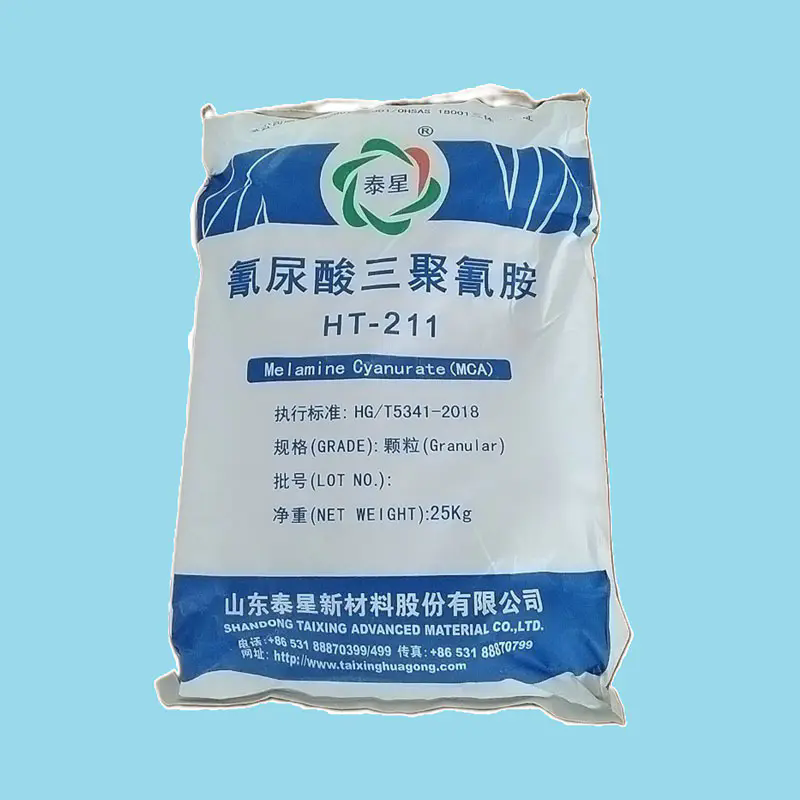
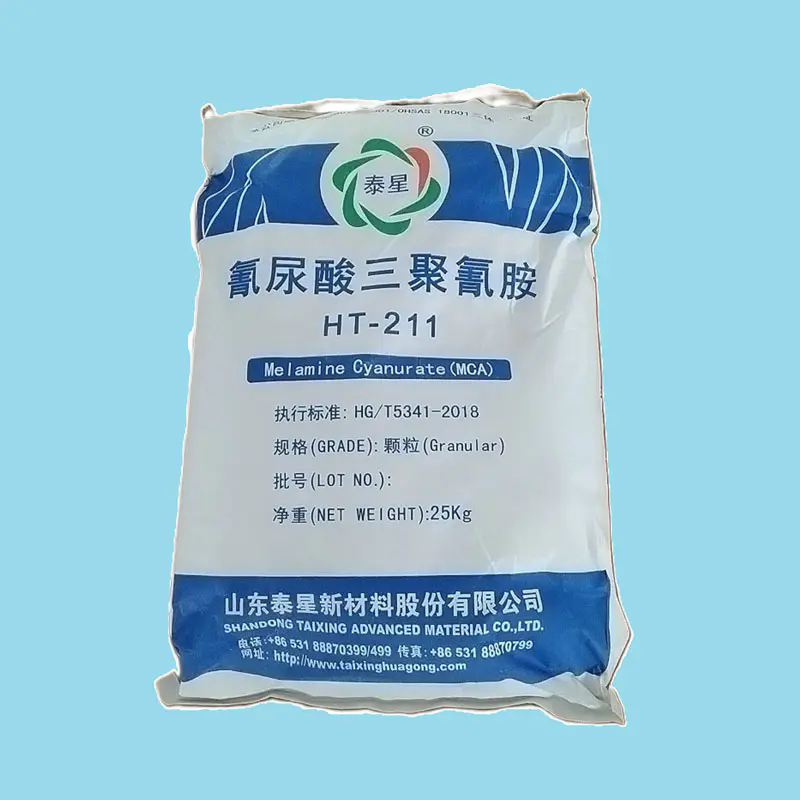
Melamine Cyanurate CAS 37640-57-6

Table of Contents


Understanding Flame Retardant Masterbatches

Flame retardant masterbatches are concentrated pellets containing flame-retardant additives dispersed in a polymer carrier such as polyethylene (PE), polypropylene (PP), or other compatible resins. These pellets are added during plastic processing to provide built-in fire resistance to the final material.

Unlike surface coatings or external treatments, flame retardant masterbatches become part of the polymer structure during compounding, ensuring uniform distribution throughout the product. This approach allows manufacturers to maintain consistent safety performance without altering processing efficiency.

Most thermoplastics are inherently combustible because their molecular structure is rich in carbon and hydrogen. When exposed to heat, these materials can ignite quickly and sustain combustion. Flame retardant masterbatches modify this behavior by interfering with the combustion process and slowing down fire propagation. :contentReference[oaicite:0]{index=0}


How Flame Retardant Masterbatches Work

The effectiveness of flame retardant masterbatches comes from several physical and chemical mechanisms that disrupt the combustion cycle. These mechanisms target different stages of fire development, such as ignition, flame propagation, and heat release.

1. Gas Phase Flame Inhibition

Some flame retardant additives release active species that interrupt the chemical chain reactions occurring during combustion. These compounds neutralize free radicals in the flame zone, effectively stopping the reaction that sustains burning.

2. Char Layer Formation

Certain systems promote the formation of a protective carbon layer on the polymer surface when exposed to high temperatures. This layer acts as a barrier that blocks heat transfer and oxygen supply, slowing down further decomposition of the material.

3. Endothermic Cooling Effect

Inorganic flame retardants such as aluminum hydroxide or magnesium hydroxide absorb heat during decomposition. This reaction lowers the temperature of the polymer surface and releases water vapor that dilutes combustible gases.

4. Gas Dilution Mechanism

Some formulations release non-flammable gases during heating, which dilute oxygen and flammable vapors around the burning material, making it harder for flames to sustain themselves. :contentReference[oaicite:1]{index=1}

Through the combination of these mechanisms, flame retardant masterbatches can delay ignition and significantly slow the spread of fire in plastic components.


Main Types of Flame Retardant Systems

Flame retardant masterbatches are generally categorized based on the chemistry of the active ingredients used in the formulation.

Type Main Components Characteristics
Halogenated Systems Bromine or chlorine compounds High efficiency flame inhibition but may have environmental concerns
Halogen-Free Systems Phosphorus, nitrogen, metal hydroxides Lower smoke and toxicity, environmentally preferred
Intumescent Systems Acid source, carbon source, blowing agent Forms an expanding insulating char layer
Mineral-Based Systems Aluminum hydroxide, magnesium hydroxide Cooling effect and smoke suppression

The selection of a specific system depends on application requirements such as flame rating, processing temperature, mechanical performance, and environmental regulations.


Key Benefits for Plastic Manufacturers

Using flame retardant masterbatches provides several operational and safety advantages for plastic processors.

  • Improves resistance to ignition and flame spread
  • Helps meet international fire safety standards
  • Ensures uniform dispersion of additives in polymers
  • Maintains mechanical properties of plastic products
  • Reduces smoke and toxic gas emissions during combustion
  • Provides convenient dosing compared with powder additives

Pelletized masterbatches are particularly beneficial in industrial environments because they minimize dust generation and ensure precise additive dosing during extrusion or injection molding processes.


Common Applications Across Industries

Flame retardant masterbatches are essential in applications where plastic components must meet strict fire safety regulations.

Electrical and Electronics

  • Cable insulation
  • Connectors and switch housings
  • Electronic enclosures

Construction Materials

  • Insulation panels
  • Pipes and conduits
  • Wall and ceiling panels

Automotive Components

  • Interior trim materials
  • Seat foams
  • Wire harness protection

Textiles and Nonwovens

  • Protective fabrics
  • Carpet backing
  • Industrial filters

In many of these applications, achieving specific flammability ratings is critical to ensuring safety compliance and product reliability.


Typical Product Parameters

Parameter Description
Carrier Resin PE, PP, EVA, or customized polymer
Appearance Granular pellets
Addition Ratio 5% – 25% depending on polymer and target rating
Processing Temperature 180°C – 300°C depending on formulation
Flame Rating UL94 HB, V-2, V-1, or V-0
Environmental Compliance RoHS / REACH optional

How to Choose the Right Flame Retardant Masterbatch

Selecting an appropriate flame retardant masterbatch requires careful evaluation of both technical and regulatory factors. Manufacturers should consider the following aspects:

  • Target flammability rating required by the application
  • Compatibility with the base polymer
  • Processing temperature during extrusion or molding
  • Mechanical property retention
  • Smoke density and toxicity requirements
  • Environmental compliance standards

Working with an experienced supplier helps ensure the correct formulation is selected for specific production conditions and regulatory demands.


Frequently Asked Questions

Q1: What is the typical addition level for flame retardant masterbatch?

The addition level usually ranges between 5% and 25%, depending on the polymer type, thickness of the final product, and the fire rating required.

Q2: Can flame retardant masterbatches affect mechanical properties?

High-quality formulations are designed to maintain the strength, impact resistance, and flexibility of the base polymer while improving fire safety.

Q3: Are halogen-free flame retardants better?

Halogen-free systems are increasingly preferred because they produce less smoke and fewer toxic gases during combustion, making them suitable for environmentally sensitive applications.

Q4: Which plastics commonly use flame retardant masterbatch?

Common polymers include polyethylene (PE), polypropylene (PP), ABS, polystyrene, and engineering plastics used in electrical and construction products.


Conclusion

Flame retardant masterbatches play a vital role in improving the safety and reliability of modern plastic products. By integrating advanced fire-resistant additives into polymer materials, manufacturers can effectively reduce ignition risks, slow flame propagation, and meet strict safety standards across multiple industries.

As demand for safer and more environmentally responsible materials continues to grow, innovative solutions from companies such as Taixing are helping manufacturers achieve both performance and compliance goals. High-quality flame retardant masterbatch formulations ensure consistent dispersion, stable processing, and reliable fire protection for a wide range of polymer applications.

If your project requires reliable fire-resistant plastic solutions, contact us to learn how Taixing flame retardant masterbatches can enhance the safety and performance of your products.

Related News
Leave me a message
X
We use cookies to offer you a better browsing experience, analyze site traffic and personalize content. By using this site, you agree to our use of cookies. Privacy Policy
Reject Accept