Shandong Taixing Advanced Material Co., Ltd.
News

How Does Decabromodiphenyl Ethane Improve Flame Retardancy in Industrial Materials?

2026-03-10 0 Leave me a message

Article Summary

Decabromodiphenyl Ethane (DBDPE) is a high-performance brominated flame retardant widely used in plastics, textiles, electrical components, and engineering polymers. Due to its high bromine content, thermal stability, and excellent compatibility with multiple polymer systems, it has become an important additive for improving fire safety in many industrial products.

84852-53-9

Table of Contents

  • Introduction to Decabromodiphenyl Ethane
  • How Decabromodiphenyl Ethane Works as a Flame Retardant
  • Key Technical Properties
  • Main Industrial Applications
  • Advantages Compared with Traditional Flame Retardants
  • Selection Considerations for Manufacturers
  • Frequently Asked Questions
  • Conclusion

Outline

  • Understanding the chemical structure and function of DBDPE
  • Flame retardant mechanism and radical suppression process
  • Technical specifications and material characteristics
  • Typical uses in plastics, electronics, and cables
  • Advantages such as thermal stability and UV resistance
  • Important factors when purchasing flame retardants

Introduction to Decabromodiphenyl Ethane

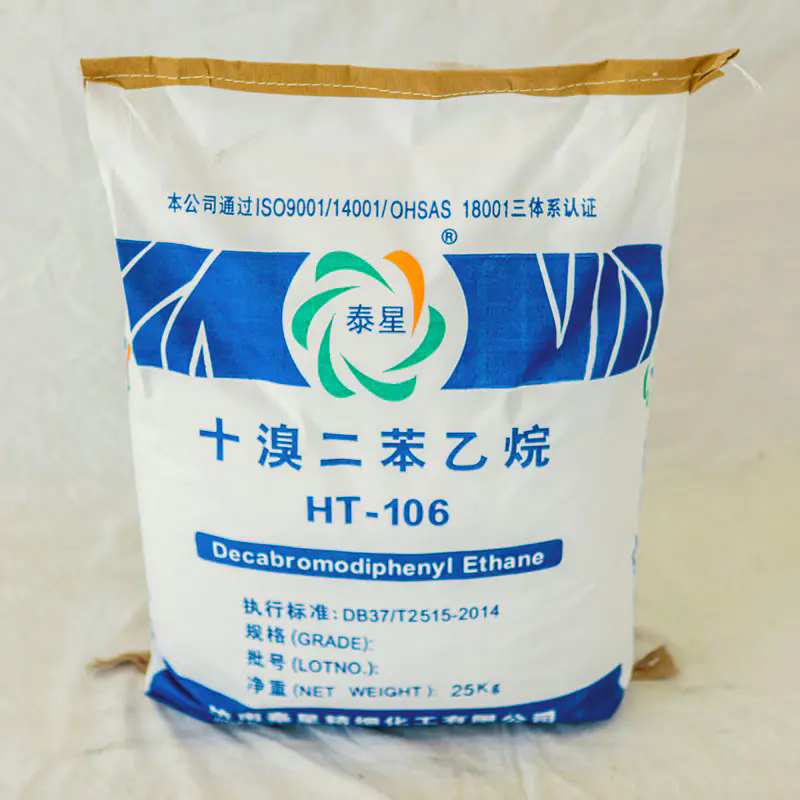
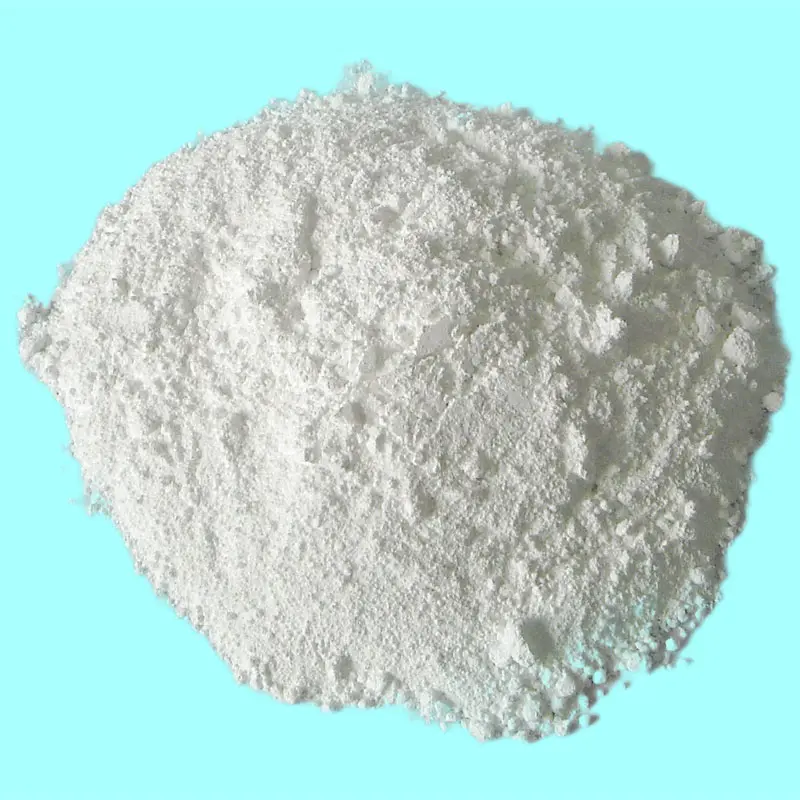
Decabromodiphenyl Ethane (DBDPE), CAS number 84852-53-9, is a brominated flame retardant widely used in modern polymer systems. It is typically supplied as a white or light-yellow powder and is incorporated into materials as an additive during processing. :contentReference[oaicite:0]{index=0}

The compound contains a very high bromine content, typically around 81–82%, which gives it strong fire-suppression capability. When blended with polymer resins, it significantly reduces the flammability of plastics and synthetic materials used in electronics, construction components, and industrial equipment. :contentReference[oaicite:1]{index=1}

Today, Decabromodiphenyl Ethane is widely used in:

  • Engineering plastics
  • Electrical insulation materials
  • Wire and cable sheathing
  • Thermoset resins
  • Textile back-coating

Because of its stability and compatibility with multiple polymer systems, manufacturers often choose DBDPE when designing products that must meet strict fire-safety requirements. :contentReference[oaicite:2]{index=2}


How Decabromodiphenyl Ethane Works as a Flame Retardant

The effectiveness of Decabromodiphenyl Ethane comes from its ability to interfere with the chemical reactions that sustain combustion.

When materials containing DBDPE are exposed to high temperatures or flames, the compound decomposes and releases bromine radicals. These radicals interact with reactive molecules in the flame, disrupting the chain reactions that maintain combustion. :contentReference[oaicite:3]{index=3}

The process can be summarized in several stages:

  • Heat causes the polymer material to begin decomposing
  • DBDPE releases bromine radicals at elevated temperatures
  • The radicals capture reactive combustion intermediates
  • The chain reaction of the flame is interrupted
  • Heat release and flame spread are reduced

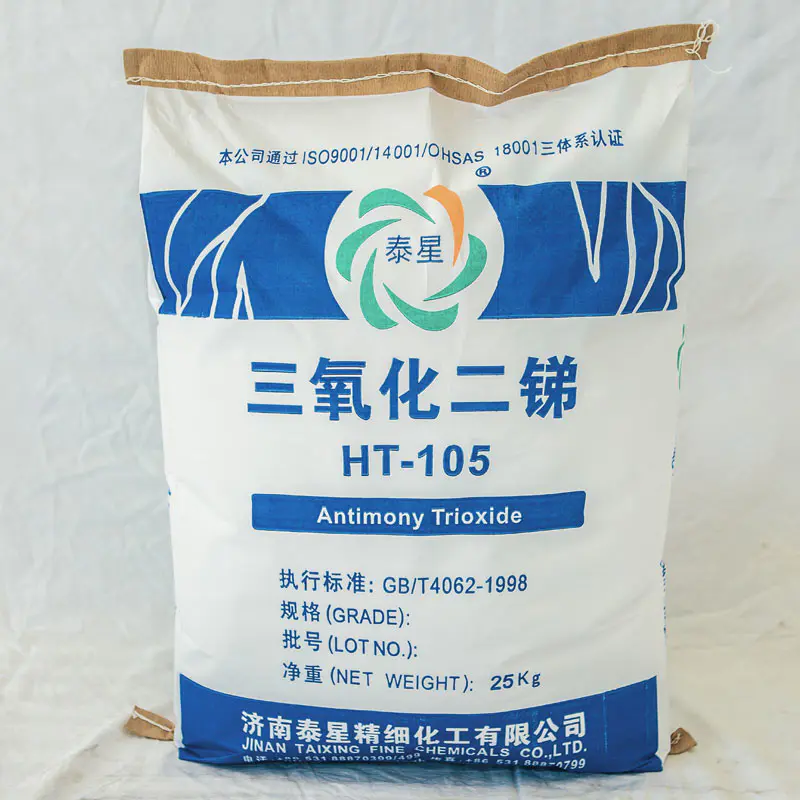
In many formulations, DBDPE is also combined with antimony trioxide as a synergist. This combination improves flame-retardant efficiency and allows lower additive loading while maintaining high fire resistance. :contentReference[oaicite:4]{index=4}


Key Technical Properties

Industrial users often evaluate flame retardants based on thermal stability, bromine content, and compatibility with polymers. Typical properties of Decabromodiphenyl Ethane include:

Parameter Typical Value
Chemical Name Decabromodiphenyl Ethane
CAS Number 84852-53-9
Molecular Formula C14H4Br10
Bromine Content Approximately 81–82%
Appearance White powder
Melting Point Above 340°C
Particle Size Typically under 5 μm

The high melting point and thermal stability allow this material to withstand common polymer processing techniques such as extrusion, injection molding, and compounding. :contentReference[oaicite:5]{index=5}


Main Industrial Applications

Due to its performance characteristics, Decabromodiphenyl Ethane is widely used across several manufacturing sectors.

1. Engineering Plastics

  • ABS
  • HIPS
  • Polypropylene (PP)
  • Polyethylene (PE)
  • PBT

These plastics are commonly used in electronic housings and automotive components where fire safety is essential.

2. Electrical and Electronic Equipment

Many electrical products require materials that resist ignition and limit flame propagation. DBDPE is often used in circuit board components, connectors, and insulation systems. :contentReference[oaicite:6]{index=6}

3. Wire and Cable Materials

Cable insulation and sheathing materials must withstand both heat and electrical stress. Flame-retardant additives like DBDPE help prevent fire spread in wiring systems.

4. Textile and Coating Applications

In textile manufacturing, the compound can be applied as a back coating to improve flame resistance in fabrics used for upholstery, industrial curtains, and protective materials. :contentReference[oaicite:7]{index=7}


Advantages Compared with Traditional Flame Retardants

Many manufacturers have transitioned to Decabromodiphenyl Ethane because of its performance benefits compared with older flame retardant technologies.

  • High thermal stability suitable for high-temperature processing
  • Excellent UV resistance preventing degradation during long-term exposure
  • Low extractability which helps maintain performance over time
  • Strong compatibility with various polymer matrices
  • High bromine concentration enabling efficient flame suppression

These characteristics allow manufacturers to achieve reliable fire resistance without significantly affecting mechanical or processing properties of the base material.


Selection Considerations for Manufacturers

Choosing the right flame retardant additive requires evaluating multiple technical and supply factors.

Material Compatibility

The additive must disperse well within the polymer matrix to ensure consistent fire resistance and avoid defects in finished products.

Processing Temperature

Flame retardants used in engineering plastics must remain stable during high-temperature processes such as extrusion or injection molding.

Particle Size Distribution

Fine particle sizes improve dispersion and performance in polymer compounding.

Supplier Reliability

Working with an experienced manufacturer ensures stable quality and technical support. Companies like Taixing provide industrial-grade Decabromodiphenyl Ethane designed for polymer processing and flame-retardant formulations.


Frequently Asked Questions

Q1: What is the primary function of Decabromodiphenyl Ethane?

Its main purpose is to improve fire resistance in materials by interrupting the chemical reactions that sustain combustion.

Q2: In which materials is DBDPE commonly used?

It is widely used in plastics such as ABS, polypropylene, and high-impact polystyrene, as well as in cables, electronic housings, and textile coatings.

Q3: Why is high bromine content important?

Bromine atoms release radicals during combustion that capture reactive flame species, effectively slowing or stopping the burning process.

Q4: Can it withstand high processing temperatures?

Yes. The compound has strong thermal stability with melting points above 340°C, making it suitable for high-temperature polymer manufacturing processes.


Conclusion

Decabromodiphenyl Ethane remains one of the most widely used flame-retardant additives in modern polymer engineering. Its high bromine content, excellent thermal stability, and compatibility with various materials allow manufacturers to significantly improve fire safety in products ranging from electronics to construction materials.

Selecting a reliable supplier is critical for ensuring product consistency and performance. As an experienced manufacturer in the flame-retardant industry, Taixing provides high-quality Decabromodiphenyl Ethane solutions tailored for industrial applications.

If you are looking for dependable flame-retardant materials or technical support for polymer formulations, feel free to contact us to learn more about available products and customized solutions.

Related News
Leave me a message
X
We use cookies to offer you a better browsing experience, analyze site traffic and personalize content. By using this site, you agree to our use of cookies. Privacy Policy
Reject Accept