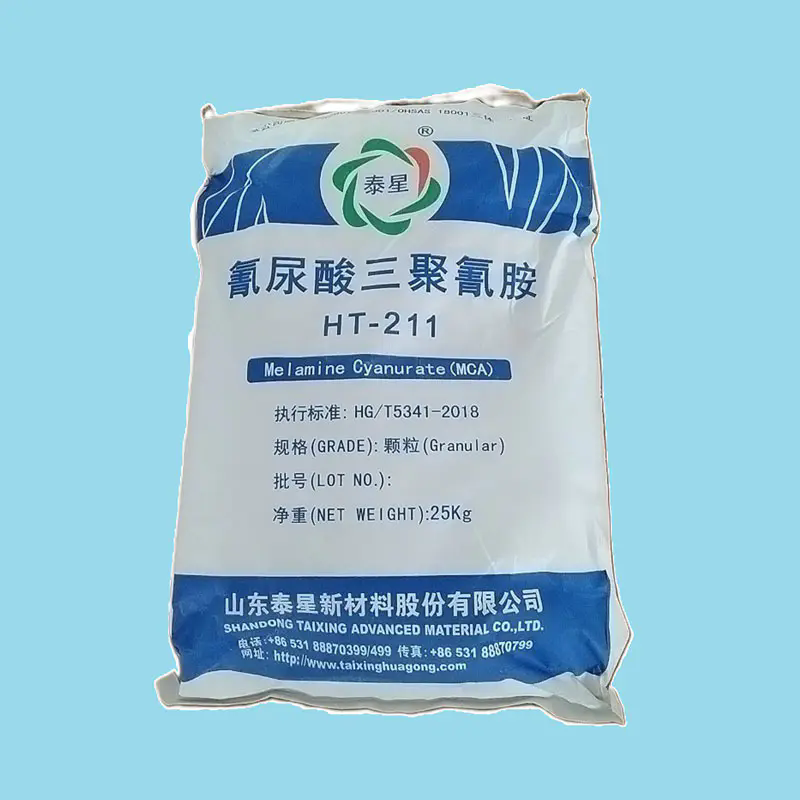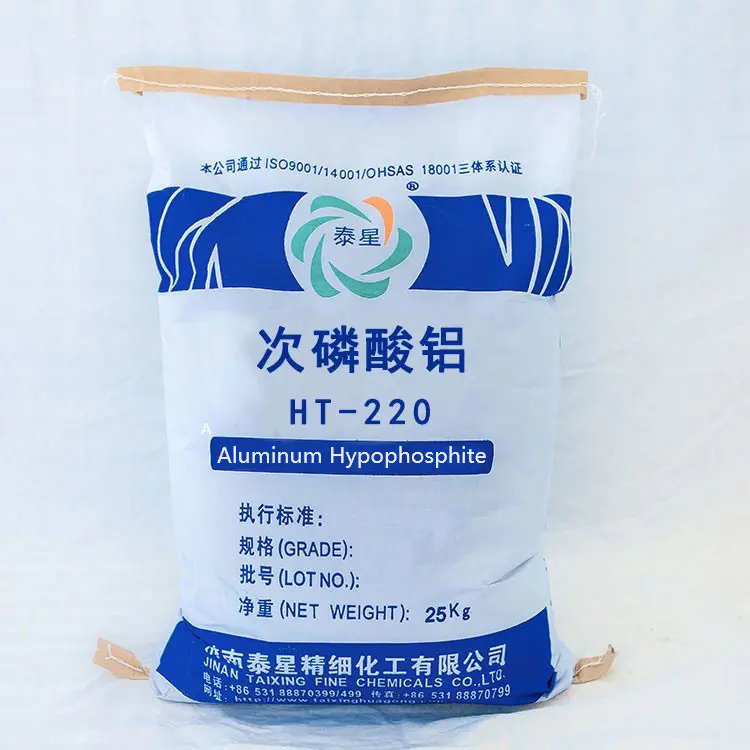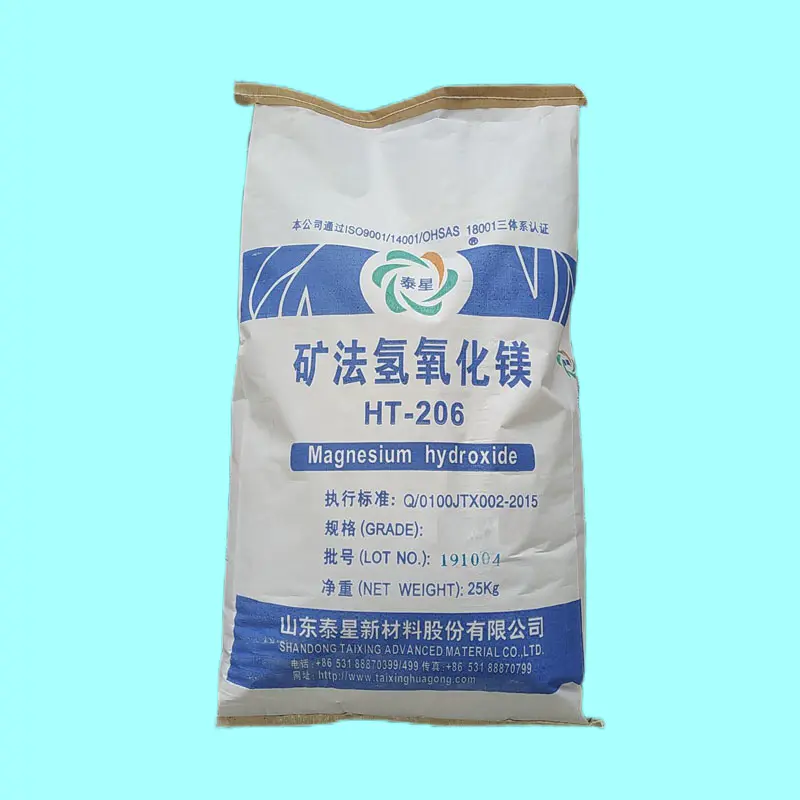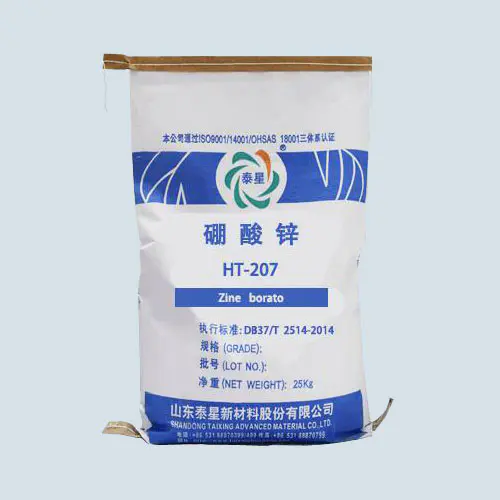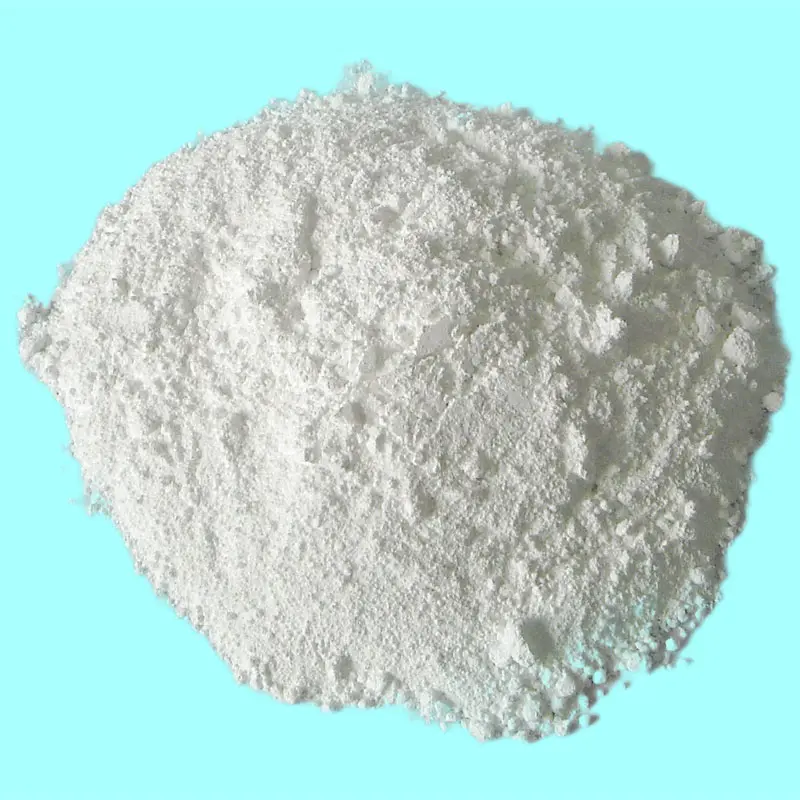
Shandong Taixing Advanced Material Co., Ltd.
News

How Is Melamine Cyanurate Granular Used in Flame Retardant Applications?

2026-01-04 0 Leave me a message

Abstract

Melamine Cyanurate Granular is a widely adopted halogen-free flame retardant used in engineering plastics and polymer systems requiring high thermal stability, low smoke generation, and regulatory compliance. This article explains how Melamine Cyanurate Granular functions, how its parameters influence performance, and how it is applied across industrial sectors. The discussion focuses on technical characteristics, processing considerations, common application challenges, and future development directions, offering a comprehensive reference for material engineers, procurement managers, and polymer compounders.

Melamine Cyanurate Granular


Table of Contents


How Does Melamine Cyanurate Granular Work in Polymer Systems?

Melamine Cyanurate Granular is an addition-type nitrogen-based flame retardant formed through the supramolecular association of melamine and cyanuric acid. When exposed to elevated temperatures, the compound decomposes endothermically, absorbing heat while releasing inert gases such as nitrogen and ammonia. This dual mechanism suppresses combustion by reducing oxygen concentration and forming a thermally insulating char layer on the polymer surface.

In granular form, Melamine Cyanurate offers improved flowability, reduced dust generation, and more consistent dispersion compared with fine powders. These characteristics are particularly important in automated compounding and extrusion processes, where material handling efficiency and workplace safety are critical considerations.

Within polyamide (PA6, PA66), thermoplastic polyurethane (TPU), and polyester matrices, Melamine Cyanurate Granular contributes to achieving stringent flame retardancy standards such as UL 94 V-0 without significantly compromising mechanical integrity. The absence of halogens ensures lower smoke density and reduced corrosive gas emission during combustion events.


How Are Product Parameters Defined for Melamine Cyanurate Granular?

Precise control of product parameters is essential to ensure consistent flame retardant performance. Melamine Cyanurate Granular is typically evaluated based on purity, particle size distribution, thermal stability, and moisture content. These factors directly influence dispersion behavior, processing stability, and final application results.

Parameter Typical Specification Technical Relevance
Purity (MCA Content) ≥ 99.0% Ensures predictable decomposition and flame retardant efficiency
Particle Form Granular Improves handling, reduces dust, enhances feeding accuracy
Average Particle Size 300–800 μm Balances dispersion with processing stability
Thermal Decomposition Temperature > 300°C Compatible with engineering plastic processing windows
Moisture Content ≤ 0.2% Prevents hydrolysis and processing defects

These parameters are routinely verified using standardized analytical methods, including thermogravimetric analysis (TGA), laser diffraction particle sizing, and Karl Fischer titration. Consistency across batches is a key requirement for downstream compounders supplying regulated markets.


How Is Melamine Cyanurate Granular Applied Across Key Industries?

Melamine Cyanurate Granular is predominantly used in electrical, automotive, and industrial plastic components where flame retardancy and mechanical reliability must coexist. In electrical connectors, circuit breakers, and housings, the material supports compliance with fire safety regulations while maintaining dimensional stability under thermal stress.

In automotive interiors and under-the-hood applications, Melamine Cyanurate Granular enables manufacturers to meet flame resistance standards without introducing halogenated substances that may conflict with environmental directives. Its compatibility with glass-fiber-reinforced polyamides further expands its use in structural components.

Industrial equipment manufacturers utilize Melamine Cyanurate Granular in molded parts exposed to elevated temperatures and potential ignition sources. The granular format simplifies large-scale compounding operations, reducing material loss and improving production efficiency.

Common Questions About Melamine Cyanurate Granular

Q: How does Melamine Cyanurate Granular differ from powdered MCA?
A: Granular MCA offers improved flowability, lower dust formation, and more uniform feeding during extrusion and injection molding, resulting in more consistent flame retardant performance.

Q: How much Melamine Cyanurate Granular is typically added to polymers?
A: Dosage levels generally range from 10% to 25% by weight, depending on the polymer type, thickness of the finished part, and targeted flame retardancy rating.

Q: How does Melamine Cyanurate Granular affect mechanical properties?
A: When properly dispersed, it maintains tensile strength and impact resistance within acceptable ranges, particularly in reinforced polyamide systems.

Q: How should Melamine Cyanurate Granular be stored?
A: The material should be stored in a dry, well-ventilated environment, sealed against moisture to preserve flow characteristics and processing stability.


How Will Melamine Cyanurate Granular Evolve in Future Flame Retardant Trends?

As regulatory frameworks increasingly restrict halogenated flame retardants, Melamine Cyanurate Granular is positioned for continued growth. Future development efforts focus on synergistic formulations combining MCA with phosphorus- or mineral-based additives to enhance flame retardant efficiency at lower loadings.

Advances in granulation technology are expected to further optimize particle morphology, improving dispersion in high-performance polymers and enabling use in thinner-walled components. Sustainability considerations are also driving interest in lifecycle assessments and recyclability compatibility.

Within this evolving landscape, suppliers such as Taixing continue to refine production controls and quality assurance systems to meet the technical and regulatory expectations of global customers. For organizations evaluating halogen-free flame retardant solutions, Melamine Cyanurate Granular remains a technically robust and commercially viable option.

For additional technical data, formulation guidance, or sourcing information regarding Melamine Cyanurate Granular, please contact Taixing to discuss specific application requirements and collaborative opportunities.

Related News
Leave me a message
X
We use cookies to offer you a better browsing experience, analyze site traffic and personalize content. By using this site, you agree to our use of cookies. Privacy Policy
Reject Accept