In modern industries, plastic materials are used in countless applications, from electronic components and automotive parts to electrical equipment and consumer products. However, many polymer materials are naturally flammable, which creates a need for effective flame retardant technologies.
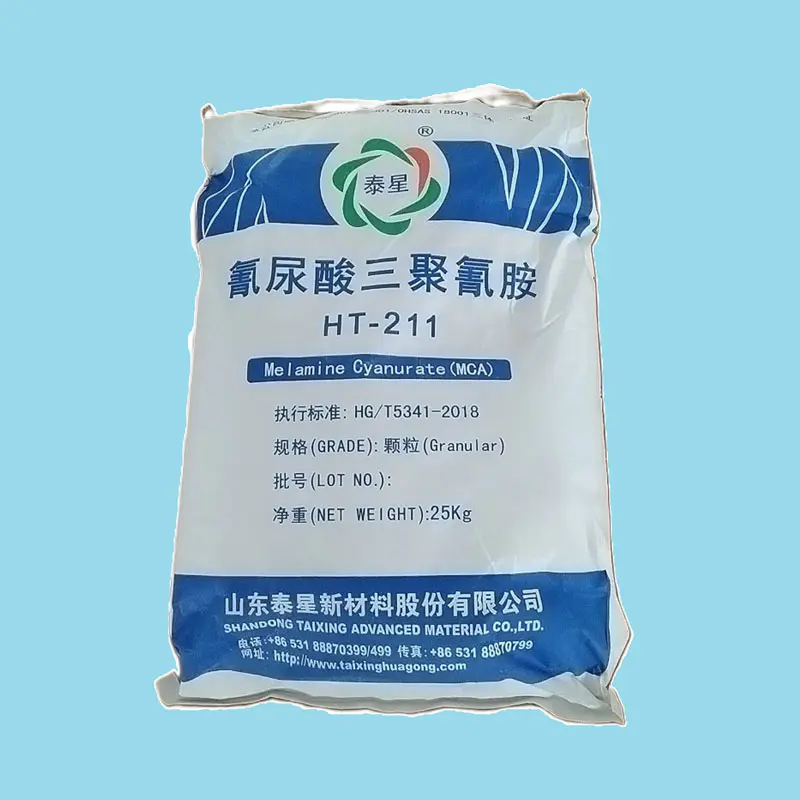
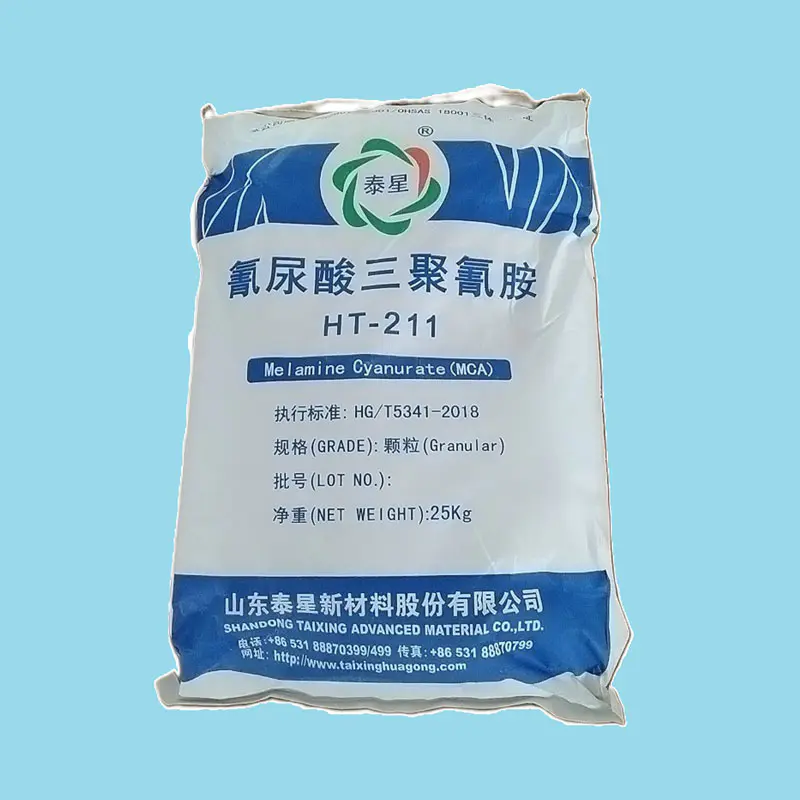
Melamine Cyanurate (MCA) is a special flame retardant additive that has attracted attention because of its halogen-free characteristics and its ability to improve the fire resistance of certain engineering plastics.
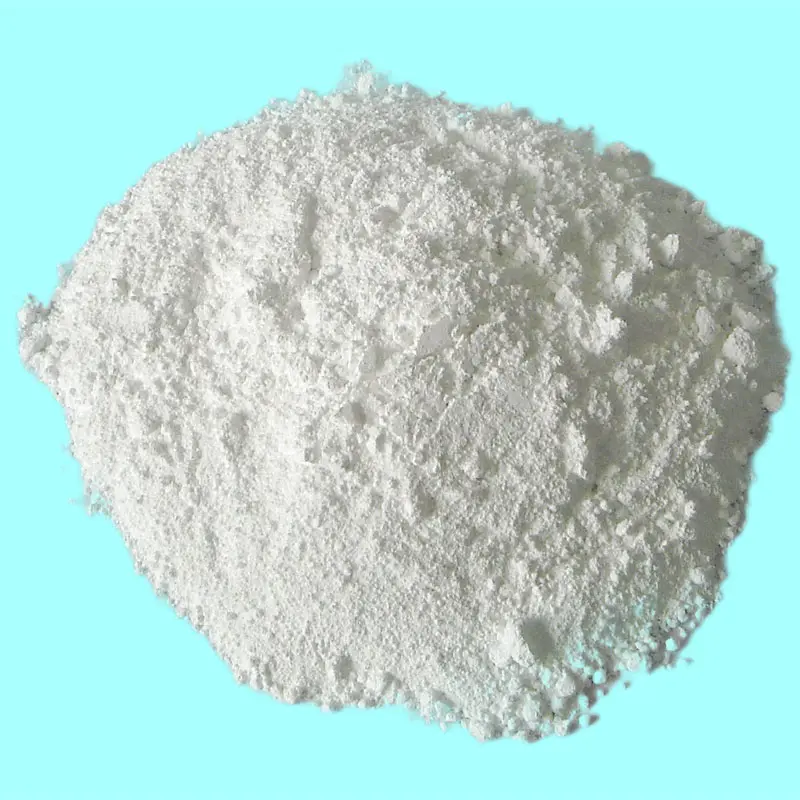
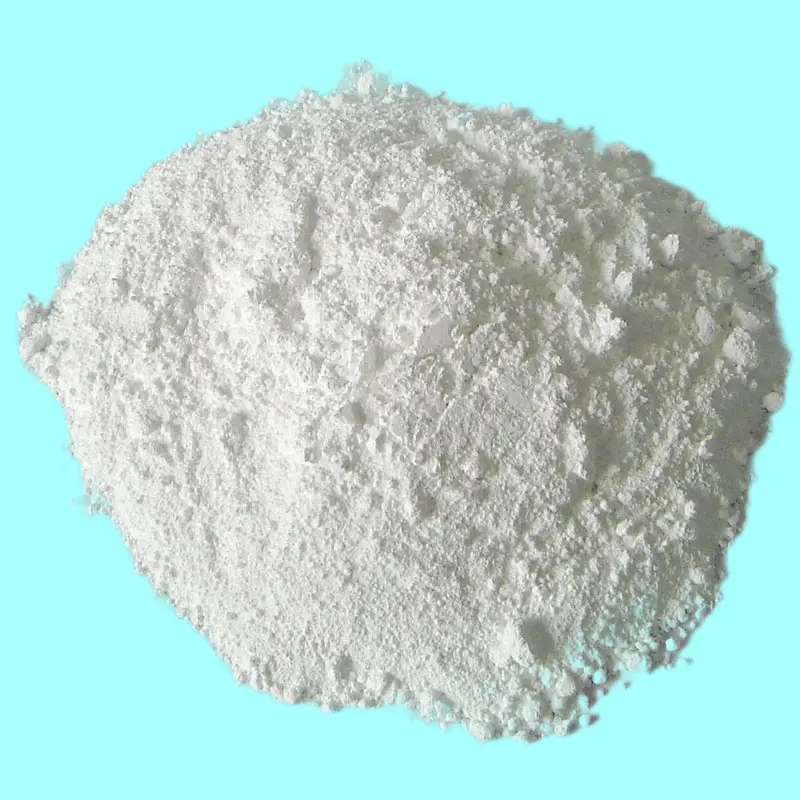
Although it is a relatively small chemical compound, Melamine Cyanurate plays an important role in material safety. Behind this white powder is a fascinating combination of chemistry, thermal science, and polymer engineering.
Melamine Cyanurate, commonly known as MCA, is a molecular compound formed through the combination of melamine and cyanuric acid.
It is classified as a nitrogen-based, halogen-free flame retardant and is widely used as an additive in polymer materials, especially engineering plastics.
The basic formation process can be described as:
Melamine + Cyanuric Acid → Melamine Cyanurate
The resulting compound has unique thermal properties that allow it to help reduce the flammability of certain materials.
Many plastic materials have excellent mechanical properties, lightweight characteristics, and processing advantages. However, most polymers contain organic structures that can burn under high temperatures or direct flame exposure.
Flame retardants are added to materials to help:
Different applications require different flame retardant solutions, and MCA is especially valuable in areas where low smoke and halogen-free properties are important.
The flame retardant mechanism of MCA is related to its thermal decomposition behavior.
When exposed to high temperatures, MCA undergoes controlled decomposition and helps reduce combustion through several effects.
During thermal decomposition, MCA absorbs energy from the surrounding environment. This can help reduce the temperature increase of the polymer material.
MCA can release non-flammable gases during decomposition. These gases dilute combustible gases around the burning area and help reduce flame intensity.
The decomposition process can contribute to the formation of protective layers that slow further thermal degradation of the polymer.
Traditional flame retardants may contain halogen elements such as bromine or chlorine. While these materials can provide strong flame resistance, environmental and regulatory concerns have encouraged the development of alternative solutions.
MCA does not contain halogen elements and belongs to the category of nitrogen-based flame retardants.
Its advantages include:
One of the most common applications of MCA is flame retardant modification of polyamide materials such as nylon 6 and nylon 66.
Nylon is widely used in engineering applications because of its:
However, additional flame protection may be required for applications involving electrical or high-temperature environments.
MCA helps improve the flame resistance of nylon while maintaining important material properties.
Engineering plastics are used in demanding applications where both performance and safety are required.
MCA can be found in modified materials used for:
The challenge in flame retardant development is finding a balance between fire safety and original material performance.
| Feature | Melamine Cyanurate | Traditional Halogen Flame Retardants |
|---|---|---|
| Composition | Nitrogen-based | May contain bromine or chlorine |
| Halogen Content | Halogen-free | Contains halogen elements |
| Smoke Generation | Generally lower smoke characteristics | Depends on specific formulation |
| Main Applications | Nylon and engineering plastics | Various polymer systems |
| Environmental Trend | Matches demand for halogen-free solutions | Increasing regulatory attention |
Although many people may not recognize MCA, it can be found in various industrial applications.
Electrical products often require materials with improved fire safety because they operate near heat sources or electrical circuits.
Modern vehicles contain many plastic components. Flame-resistant materials can help improve safety in areas involving electrical systems.
Engineering plastics with flame retardant properties are used in equipment parts where reliability and safety are important.
As industries focus more on environmental responsibility and product safety, halogen-free flame retardant solutions are receiving increasing attention.
Several trends are driving this development:
With continued growth in electronics, electric vehicles, and advanced manufacturing, flame retardant materials will remain an important area of research.
Future developments may focus on:
Melamine Cyanurate may not be a familiar name to most people, but it plays an important role in modern material safety. As a halogen-free flame retardant, MCA helps improve the fire resistance of engineering plastics while supporting the development of safer and more advanced materials.
From electronics and automotive components to industrial applications, this small chemical compound demonstrates how material science can solve practical challenges in everyday technology.