We are glad to share with you about the results of our work, company news,and give you timely developments and personnel appointment and removal conditions.
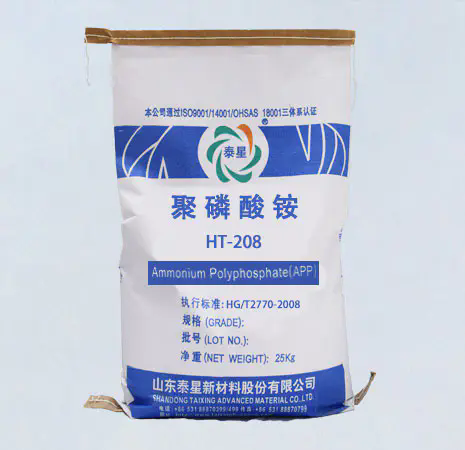
Ammonium Polyphosphate (APP) is a widely used halogen-free flame retardant additive that enhances fire safety in plastics, coatings, textiles and construction materials without producing toxic combustion by-products. This article explains the science behind APP’s flame-retardant action, functional properties, critical parameters for material selection, practical application scenarios, performance evaluation criteria and frequently encountered technical questions. Engineers, product developers and specification buyers will gain a holistic understanding of the role APP plays in improving safety and regulatory compliance across industrial products.
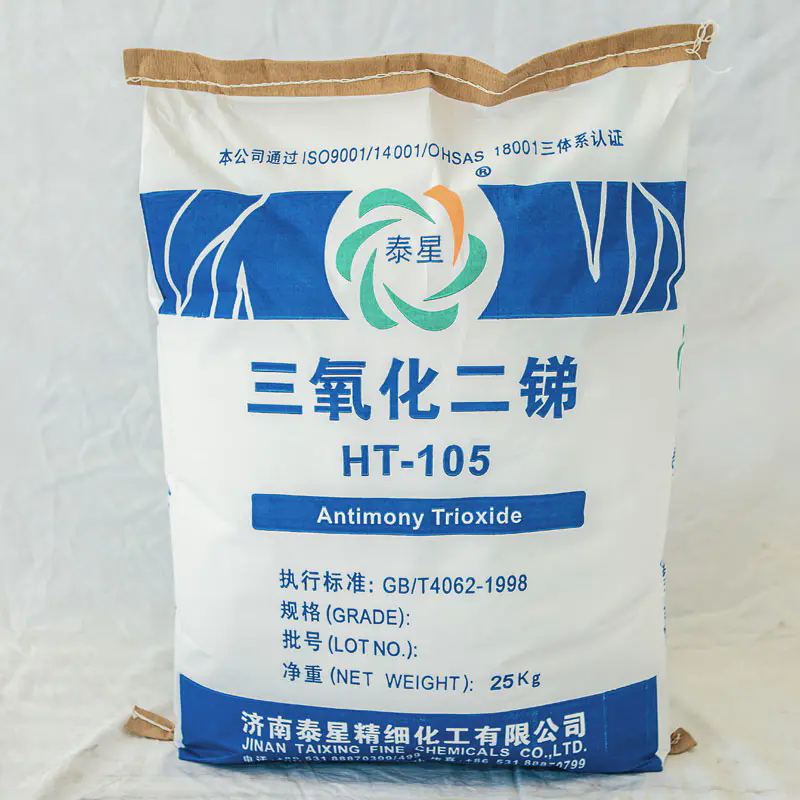
Antimony trioxide is one of the most widely used synergistic flame retardants in modern industry. This article discusses its role, benefits, safety considerations, selection criteria, and application challenges to help manufacturers and procurement teams make informed decisions. We address common pain points such as performance reliability, regulatory compliance, cost efficiency, and material compatibility. Clear explanations, practical comparisons, and FAQs make this a definitive guide for industrial stakeholders seeking to optimize fire safety performance in polymer, rubber, textile, and coating systems.
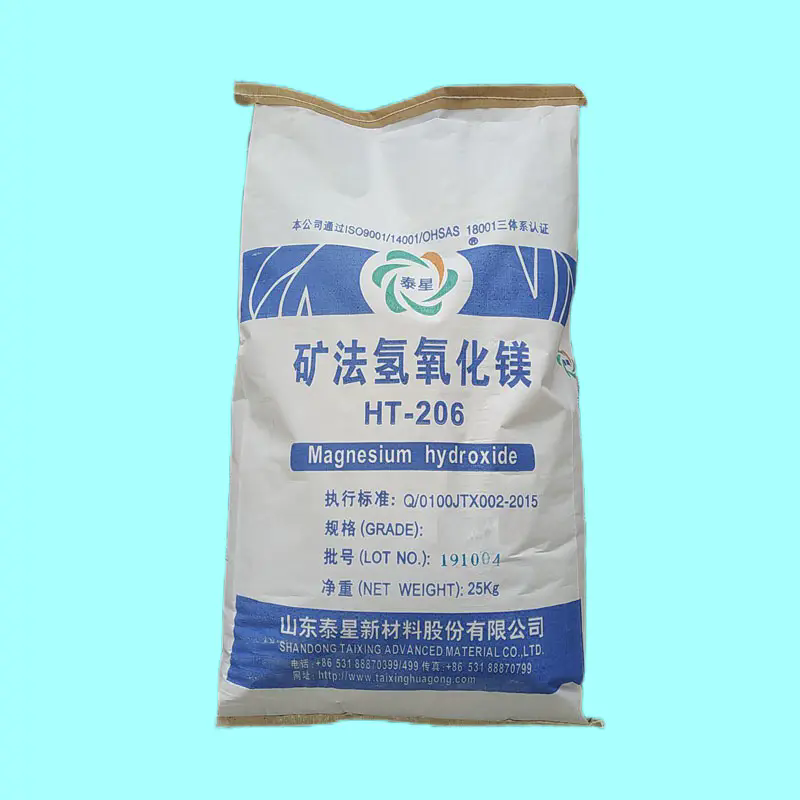
Magnesium Hydroxide is a versatile chemical compound widely used across various industries. From flame retardants to environmental applications, this article explores its properties, benefits, applications, and safety considerations, helping professionals make informed decisions when sourcing or using Magnesium Hydroxide.
Flame retardant masterbatches are crucial in enhancing fire safety and durability of plastic products. This article explores their types, applications, selection criteria, and benefits, helping manufacturers make informed decisions.
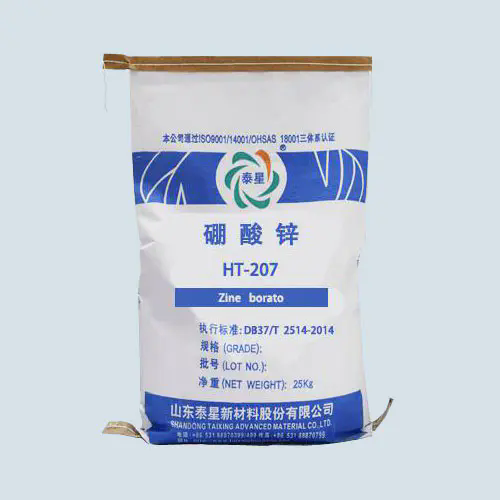
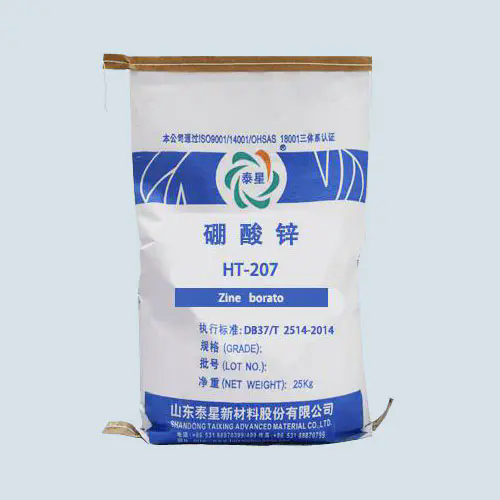
Zinc Borate is a versatile inorganic compound widely used as a flame retardant and smoke suppressant. This article explores its properties, applications, benefits, and usage tips for manufacturers seeking safer, more durable materials.
Decabromodiphenyl Ethane (DBDPE) is an organic compound primarily used as a flame retardant in various industrial applications. It is particularly valuable in the prevention of fire hazards in materials such as plastics, textiles, and electronics. This article provides a detailed examination of DBDPE, highlighting its key features, specifications, and its role in fire safety. Additionally, it addresses frequently asked questions to help users better understand the practical applications of this chemical and its potential environmental implications.
We use cookies to offer you a better browsing experience, analyze site traffic and personalize content. By using this site, you agree to our use of cookies.
Privacy Policy