Smoke suppressors are critical functional additives designed to reduce the amount and toxicity of smoke generated during combustion of polymer-based materials. They operate through chemical and physical mechanisms that enhance char formation, interrupt combustion pathways, and limit particulate release. This article provides an in-depth view of smoke suppressor concepts, operational mechanisms, applications, selection criteria, and practical considerations for engineers and safety professionals.
Smoke suppressors are specialized additives incorporated into polymer formulations and composite materials to mitigate smoke generation during combustion. Smoke from burning plastics and polymers presents significant health and safety hazards, including reduced visibility, respiratory risk, and toxic emissions. Smoke suppressors are engineered to promote condensed-phase reactions that generate stable char layers, trapping volatile decomposition products and restricting smoke formation. These materials are used widely in wire and cable jacketing, coatings, engineering plastics, and rubber compounds where enhanced fire safety performance is required in compliance with regulatory and safety standards.:contentReference[oaicite:0]{index=0}
Understanding the mechanisms by which smoke suppressors function is essential for effective material design. Key smoke suppression phenomena include:
Smoke suppressors often function synergistically with flame retardants to deliver balanced fire safety performance, where flame propagation and smoke formation are simultaneously minimized.:contentReference[oaicite:4]{index=4}
Smoke suppressors are incorporated into a range of materials and products where fire safety performance is critical:
| Industry | Common Use Cases |
|---|---|
| Wire & Cable | Low smoke zero halogen cable jacketing, electrical insulation |
| Construction Materials | Coatings, panels, polymer composites in building interiors |
| Automotive & Transportation | Interior plastics and coatings subject to fire safety regulations |
| Electronic Devices | Housing and connectors where smoke emission limits are enforced |
Smoke suppressors are also tailored to specific polymer systems such as PVC, polyamides, polyesters, and elastomers to meet performance and processing requirements.:contentReference[oaicite:5]{index=5}
Selecting an appropriate smoke suppressor depends on application demands and material compatibility. Consider the following criteria:
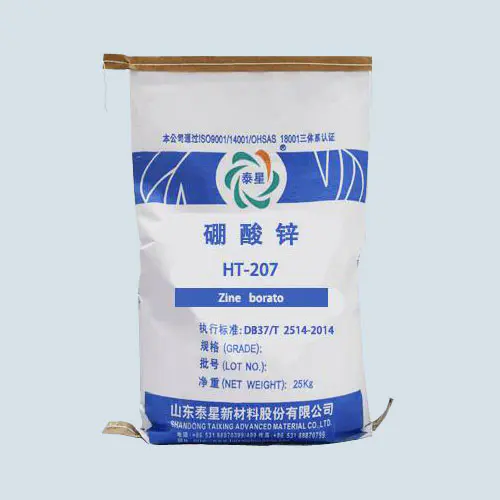
Metals such as zinc stannate and borates are widely used as smoke suppressors due to their effectiveness in char promotion and compatibility with commercial polymers.:contentReference[oaicite:6]{index=6}
Q: What is the primary purpose of a smoke suppressor?
A: The primary purpose of a smoke suppressor is to minimize the amount and density of smoke produced when polymer materials burn, thereby reducing visibility hazards and limiting toxic emissions during a fire event.
Q: Are smoke suppressors effective in all polymer types?
A: Smoke suppressors are effective in many polymer systems, but their performance depends on the specific polymer chemistry and formulation. Compatibility and processing conditions must be considered for optimal results.
Q: Can smoke suppressors replace traditional flame retardants?
A: Smoke suppressors typically complement flame retardants rather than replace them. Both functions are important for comprehensive fire safety — flame retardants slow or prevent ignition, while smoke suppressors reduce hazardous smoke upon combustion.
Effective fire safety strategies in polymer-based systems require both reduced ignition propensity and minimized smoke emission. Smoke suppressors play a crucial role by promoting char formation, altering combustion chemistry, and limiting particulate release. Their application in wire and cable, construction materials, electronics, and transportation sectors enhances safety and supports regulatory compliance.
Shandong TaiXing Advanced Material Co., Ltd. offers high-performance smoke suppressor additives engineered for low smoke emission and enhanced fire safety across diverse polymers and composite materials. For tailored solutions, product specifications, and application support, contact us to discuss how these materials can improve safety outcomes in your products.