Shandong Taixing Advanced Material Co., Ltd.
News

How Does Ammonium Polyphosphate APP Improve Flame Resistance in Industrial Materials?

2026-01-26 0 Leave me a message

Article Abstract: Ammonium Polyphosphate (APP) is a widely used halogen-free flame retardant additive that enhances fire safety in plastics, coatings, textiles and construction materials without producing toxic combustion by-products. This article explains the science behind APP’s flame-retardant action, functional properties, critical parameters for material selection, practical application scenarios, performance evaluation criteria and frequently encountered technical questions. Engineers, product developers and specification buyers will gain a holistic understanding of the role APP plays in improving safety and regulatory compliance across industrial products.

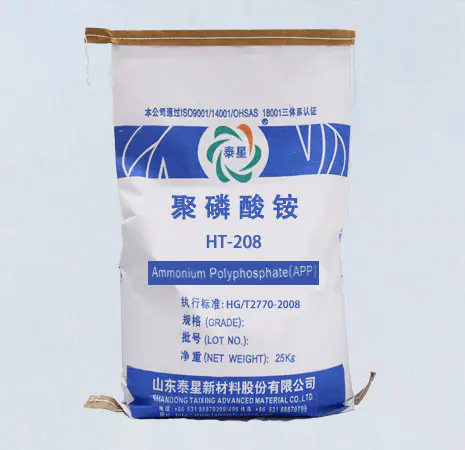
Ammonium Polyphosphate

Table of Contents


Introduction to Ammonium Polyphosphate APP

Ammonium Polyphosphate (APP) is a phosphorus-nitrogen compound used extensively as a flame retardant additive in a broad range of materials including plastics, coatings, rubber, textiles, and engineered composites. It functions through an intumescent mechanism that forms an insulating char barrier when exposed to elevated temperatures, effectively slowing combustion and heat transfer. APP is classified as a halogen-free solution with low smoke and low toxicity characteristics, making it suitable for fire-sensitive applications where environmental and life-safety performance matters. 


Key Properties and Functional Mechanisms

The performance of APP as a flame retardant is rooted in its chemical response to heat and its physical behavior in material matrices:

  • Intumescent action – Upon heating, APP decomposes to form phosphoric acid and ammonia; phosphoric acid catalyzes char formation on the material surface, creating a thermal barrier that limits heat transfer and oxygen access. 
  • Heat absorption – The decomposition reaction absorbs heat energy, contributing to reduced flame propagation. 
  • Inert gas release – The release of non-flammable gases such as ammonia dilutes combustible volatiles near the surface during burning. :
  • Low toxic emissions – Being halogen-free, APP does not generate significant halogenated toxic gases during combustion, which enhances occupant safety in fire scenarios. 

Technical Parameters and Grades

APP is categorized by polymerization degree, particle size, solubility and thermal behavior. Understanding these parameters is important for specifying the correct grade for a given application:

Parameter Typical Specification
Polymerization Degree n ≥ 200 (Phase I), n ≥ 1000 (Phase II for higher stability) 
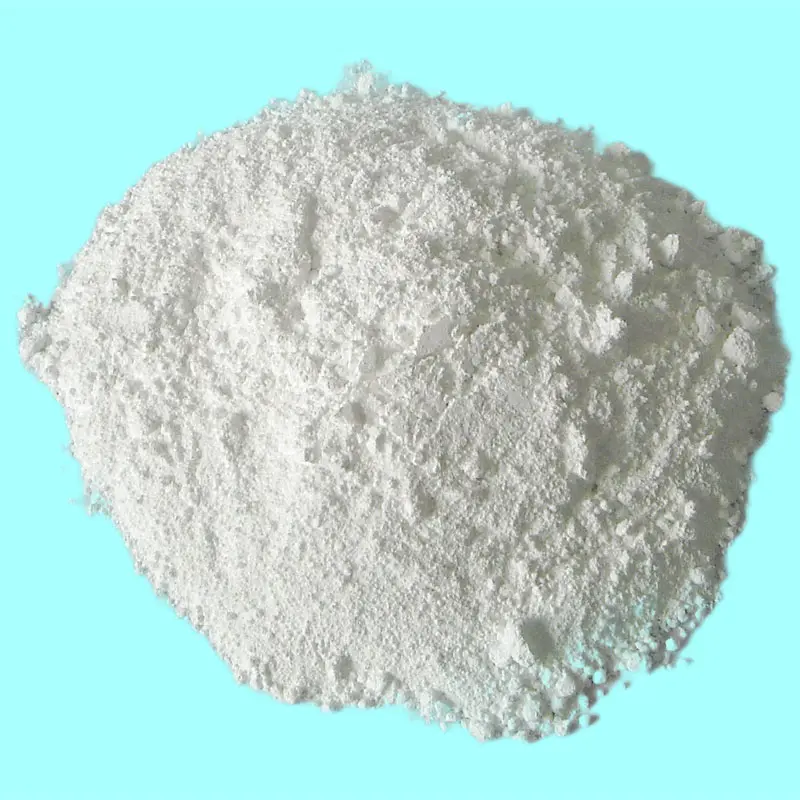
Appearance White crystalline powder
P2O5 Content ≥ 70 %
Nitrogen Content ≥ 14 % 
Water Solubility Low (improves with polymer length)
Thermal Stability Decomposes typically above 250–300°C 

APP grades with higher polymerization degrees feature improved thermal stability and lower water solubility, which is beneficial for long-term performance in humid or outdoor environments. 


Applications Across Industries

Ammonium Polyphosphate APP finds application in a diverse array of products where enhanced fire safety is a priority. Common application segments include:

  • Plastics and Polymers: Used in polypropylene (PP), polyethylene (PE), polyurethanes and engineering plastics to achieve required flame-retardant ratings. 
  • Coatings and Paints: Integral component in intumescent coatings that protect structural steel and other substrates from fire exposure. 
  • Textiles and Fabrics: Applied to fire-resistant fabrics used in upholstery, public spaces, and protective garments. 
  • Construction Materials: Enhancing fire resistance in insulation boards, sealants, wood composites, and decorative panels. 

Selection and Implementation Considerations

Selecting the right APP grade requires balancing flame-retardant effectiveness with processing and performance needs:

  • Processing temperature compatibility: Ensure APP grade maintains stability at the polymer processing temperature. 
  • Moisture resistance: High polymerization grades improve resistance to hydrolysis in humid conditions. 
  • Compatibility with formulation: Particle size and surface characteristics influence dispersion and final material properties. 

Frequently Asked Questions

Q: What makes Ammonium Polyphosphate APP different from other flame retardants?
A: APP is halogen-free and works through an intumescent mechanism to form insulating char, which slows heat and flame propagation without producing significant halogenated smoke or toxic gases. 

Q: Can APP be used in outdoor construction materials?
A: Yes. With appropriate grade selection (higher polymerization, low water solubility), APP can maintain performance in exterior applications exposed to humidity and temperature variations. 

Q: How does APP affect mechanical properties of plastics?
A: At optimized loadings, APP integrates well into polymer matrices with minimal adverse impact, though formulation adjustments may be needed to maintain tensile or impact strength. 


Conclusion and Contact Us

Ammonium Polyphosphate APP remains an essential flame retardant solution in modern material engineering due to its effective flame-resistant action, environmental profile and versatile application scope. As fire safety regulations become more stringent across industries, understanding APP’s mechanisms, properties, and implementation criteria is essential for achieving compliant and resilient material performance.

Taixing is committed to delivering high-quality APP flame retardant products with stable performance, extensive application compatibility and reliable support for global manufacturers. To discuss product specifications, grade selection, or customized formulation strategies, contact us for professional guidance and assistance in meeting your fire safety goals.

Contact us through our official inquiry channels for detailed product data, pricing and project support.

Related News
Leave me a message
X
We use cookies to offer you a better browsing experience, analyze site traffic and personalize content. By using this site, you agree to our use of cookies. Privacy Policy
Reject Accept