Shandong Taixing Advanced Material Co., Ltd.
News

How Can Antimony Trioxide Improve Fire Safety in Industrial Applications?

2026-01-21 0 Leave me a message

Abstract: Antimony trioxide is one of the most widely used synergistic flame retardants in modern industry. This article discusses its role, benefits, safety considerations, selection criteria, and application challenges to help manufacturers and procurement teams make informed decisions. We address common pain points such as performance reliability, regulatory compliance, cost efficiency, and material compatibility. Clear explanations, practical comparisons, and FAQs make this a definitive guide for industrial stakeholders seeking to optimize fire safety performance in polymer, rubber, textile, and coating systems.

Antimony Trioxide ATO


Table of Contents


Overview of Antimony Trioxide

Antimony trioxide (Sb₂O₃) is an inorganic compound predominantly used as a flame retardant synergist in combination with halogen-containing systems. Its primary function is to enhance fire performance by promoting char formation and reducing heat release during combustion. Due to its effectiveness and adaptability, antimony trioxide remains a standard choice in polymers, elastomers, textiles, and coatings where fire safety is critical.

  • Chemical Formula: Sb₂O₃
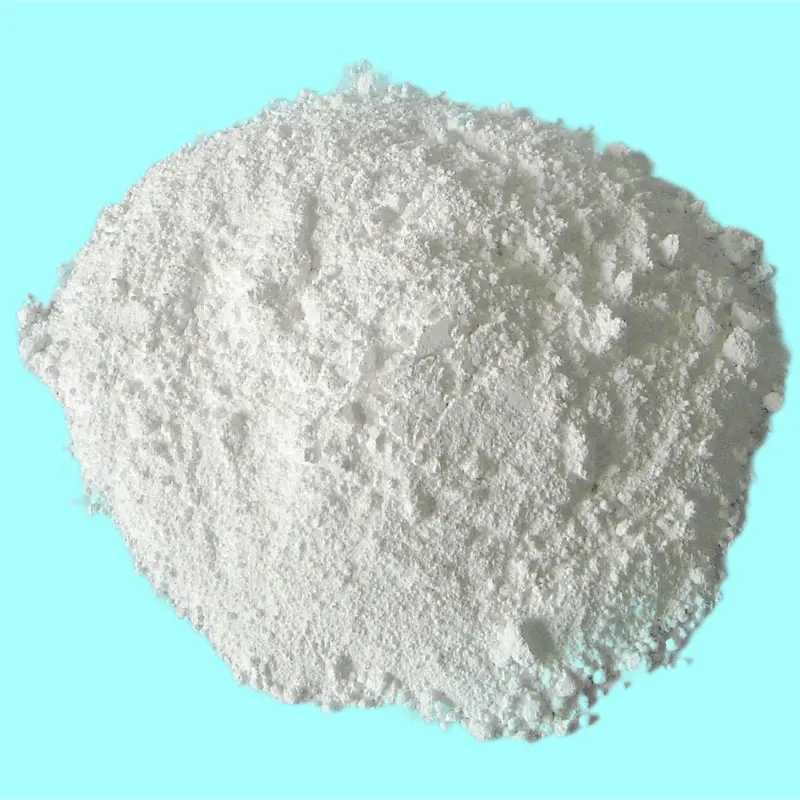
  • Appearance: White to off-white powder
  • Role: Flame retardant synergist
  • Formulations: Powder, surface-treated grades

Core Benefits and Functional Role

Manufacturers repeatedly choose antimony trioxide because it directly addresses common performance limitations in flame retardant systems. The table below compares outcomes with and without antimony trioxide in typical polymer systems.

Performance Metric Without Sb₂O₃ With Sb₂O₃
Ignition Resistance Low Improved
Heat Release Rate High Reduced
Smoke Generation Moderate to High Controlled
Char Formation Poor Enhanced

Key Advantages:

  • Synergistic Efficiency: Works effectively with halogenated flame retardants to deliver higher fire performance than either component alone.
  • Thermal Stability: Retains function across broad processing temperatures.
  • Compatibility: Suitable for various matrices including PVC, polyethylene, rubber, and coatings.
  • Cost-Effectiveness: Offers a strong balance between performance and material cost.

Key Industrial Applications

Antimony trioxide is deployed across multiple sectors where fire resistance is non-negotiable. Below are major application categories and typical end-use examples.

  • Polymer Manufacturing: Electrical wiring insulation, cable jacketing, consumer electronics housings.
  • Rubber Products: Conveyor belts, automotive seals, hoses requiring enhanced flame resistance.
  • Textiles & Coatings: Flame-retardant fabrics for public spaces, protective garments, architectural coatings.
  • Construction Materials: Thermoplastic composites, insulation foam systems.

Each application presents specific performance demands, and the correct formulation of antimony trioxide directly impacts end-product safety and durability.


How to Select the Right Grade

Selecting an appropriate antimony trioxide grade is fundamental to achieving desired fire performance while avoiding processing issues. Key considerations include particle size, surface treatment, and compatibility with the base material.

Property Impact on Performance
Particle Size Distribution Affects dispersion quality and effectiveness in the matrix
Surface Treatment Enhances compatibility with polymers and reduces agglomeration
Purity Higher purity translates to consistent performance
Bulk Density Influences material handling and dosing accuracy

Selection Guidelines:

  • Assess End-Use Requirements: Fire rating standards, mechanical properties, environmental exposure.
  • Material Compatibility: Confirm that selected grades disperse well within your specific polymer or coating system.
  • Processing Conditions: Consider processing temperatures and shear environments to avoid degradation or uneven distribution.

Safety, Handling, and Compliance

While antimony trioxide is widely utilized, safe handling and compliance with regulatory requirements are essential. Industrial stakeholders should integrate robust safety protocols and material documentation into their workflows.

  • Handling Precautions: Use appropriate personal protective equipment (PPE) to minimize dust exposure.
  • Storage: Store in dry, well-ventilated conditions to prevent moisture-related clumping.
  • Documentation: Maintain safety data sheets (SDS) and ensure compliance with local fire and environmental regulations.
  • Worker Training: Educate personnel on hazards associated with powdered materials and mitigation strategies.

Manufacturers often combine good housekeeping practices with engineering controls (e.g., dust collection) to maintain a safe workplace environment when processing antimony trioxide.


Frequently Asked Questions

  • What makes antimony trioxide effective as a flame retardant synergist?
    Antimony trioxide facilitates char formation and reduces heat release, enhancing the flame retardant action of halogenated systems. Its performance is backed by extensive industrial use and testing.
  • Can antimony trioxide be used in halogen-free systems?
    While traditionally linked with halogenated flame retardants, research and specialty grades aim to broaden its applicability. Careful formulation is required to meet performance targets in halogen-free systems.
  • Is the material safe for use in consumer products?
    When incorporated at appropriate levels and processed correctly, antimony trioxide meets relevant safety and fire performance standards. Compliance with local regulations and testing is essential.
  • How does particle size affect performance?
    Finer particles generally disperse more evenly, improving effectiveness. However, extremely fine grades may increase processing complexity, so balance is key.
  • What testing is recommended for products containing antimony trioxide?
    Regulatory and industry-specific flame testing (e.g., UL 94, ASTM E84) should be performed to validate performance in the final formulation.

Conclusion

Antimony trioxide remains a cornerstone flame retardant synergist for industries demanding reliable fire performance. By understanding its role, benefits, selection criteria, and safe handling practices, manufacturers can optimize safety outcomes while managing cost and compliance challenges. Selecting the right antimony trioxide grade ensures enhanced fire resistance, improved thermal stability, and significant performance advantages across polymers, rubber, textiles, and coatings.

At Taixing, we provide high-quality antimony trioxide grades designed for consistent performance and enhanced material compatibility. Our technical team can help you identify the best solution for your specific application needs. To discuss your requirements and explore how our products can help improve fire performance in your materials, please contact us for personalized support and a quote tailored to your project.

Related News
Leave me a message
X
We use cookies to offer you a better browsing experience, analyze site traffic and personalize content. By using this site, you agree to our use of cookies. Privacy Policy
Reject Accept