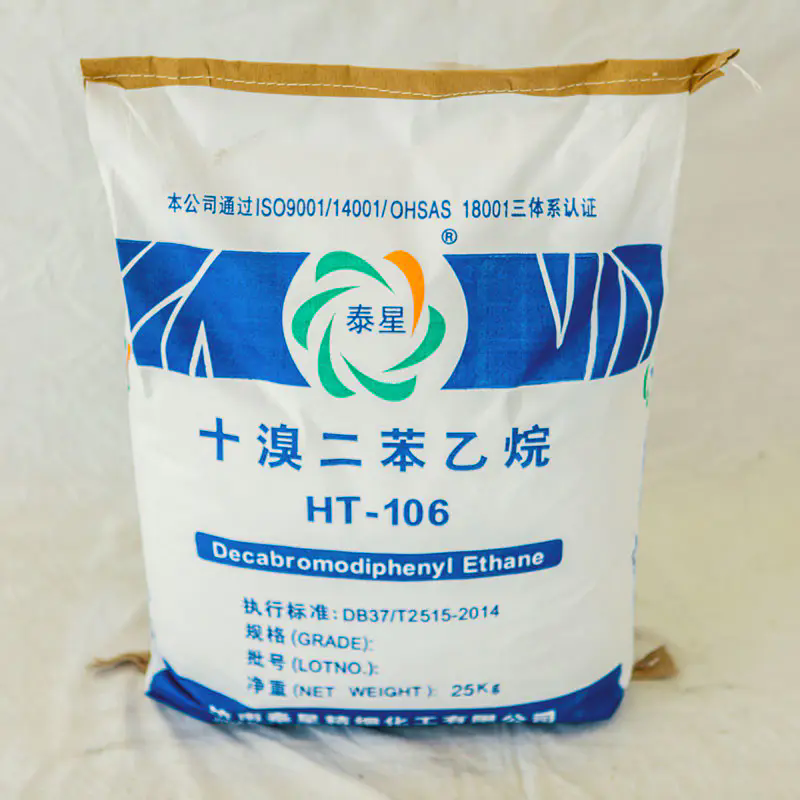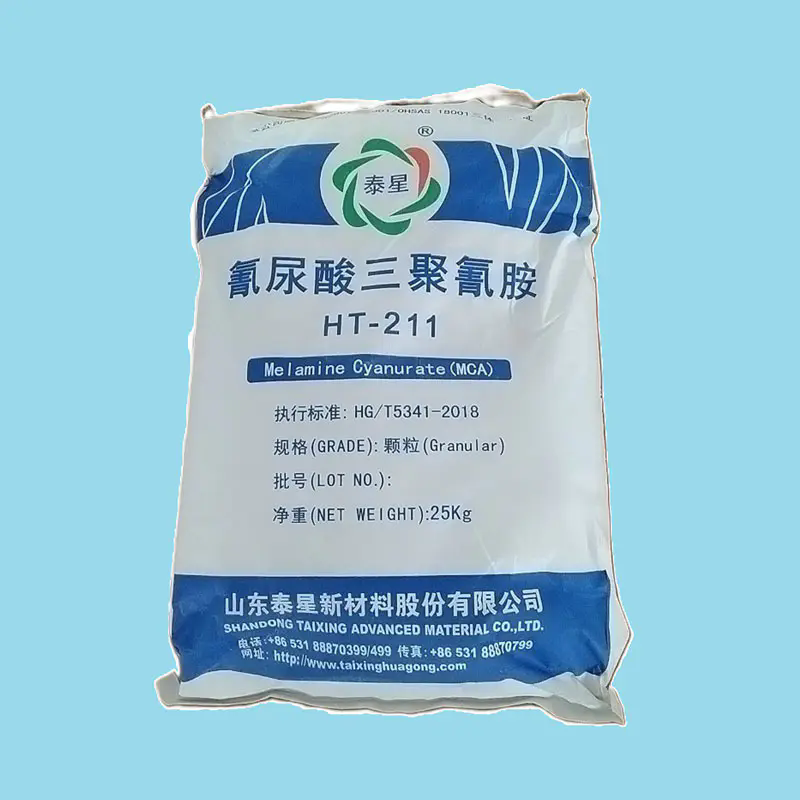
Decabromodiphenyl Ethane (DBDPE) is an organic compound primarily used as a flame retardant in various industrial applications. It is particularly valuable in the prevention of fire hazards in materials such as plastics, textiles, and electronics. This article provides a detailed examination of DBDPE, highlighting its key features, specifications, and its role in fire safety. Additionally, it addresses frequently asked questions to help users better understand the practical applications of this chemical and its potential environmental implications.
Throughout this article, we will explore the chemical properties of DBDPE, its industrial uses, and why it remains an important compound for maintaining safety standards in various industries. As with all flame retardants, it is essential to balance the benefits of fire resistance with environmental considerations, which will also be discussed in detail.
| Property | Specification |
|---|---|
| Appearance | White to off-white powder |
| Molecular Formula | C12H6Br10 |
| Purity | ≥99% |
| Melting Point | 300°C (minimum) |
| Boiling Point | Not applicable |
| Density | 2.9 g/cm³ |
| Solubility | Insoluble in water, soluble in organic solvents like acetone |
| Flash Point | > 260°C |
| Color | White to light gray |
| Application | Flame retardant in polymers, textiles, and electronics |
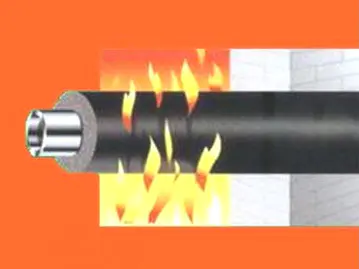
Decabromodiphenyl Ethane acts as a flame retardant by interfering with the combustion process. Its chemical structure allows it to disrupt the chemical reactions that lead to fire propagation, making it effective in preventing flames from spreading in materials such as plastics, textiles, and electronics. It is primarily used in industries that require materials to meet fire safety standards, such as in the production of fire-resistant textiles, wires, and plastic components.
While Decabromodiphenyl Ethane is widely used in industrial applications, its use in consumer products is subject to regulations due to concerns about environmental persistence and potential health effects. In industrial settings, DBDPE is considered safe when handled properly, but its impact on human health and the environment is still under study. Manufacturers are working on improving the environmental footprint of this substance, and its use in consumer-facing products is more carefully regulated to mitigate any potential risks.
DBDPE, like many halogenated flame retardants, has a high level of persistence in the environment. It is known to accumulate in soil, water, and wildlife, leading to potential ecological concerns. Although it is less volatile than some alternatives, the long-term environmental impact remains a concern. Studies are ongoing to determine its toxicity and its ability to bioaccumulate in various ecosystems. Companies are actively researching safer alternatives that are more environmentally friendly while maintaining the same flame-retardant properties.
DBDPE is often compared to other brominated flame retardants like decabromodiphenyl ether (DBDE). While both offer excellent flame resistance, DBDPE is preferred in some applications due to its improved thermal stability and efficiency. However, its environmental persistence remains a key drawback compared to non-halogenated flame retardants, which are being developed as safer alternatives. Despite this, DBDPE remains a valuable solution in many industries requiring high-performance fire retardancy.
Yes, DBDPE is used in construction materials, particularly in fire-resistant coatings and insulation. Its application in building materials helps ensure compliance with safety standards, especially in high-risk environments. DBDPE is added to materials like foam insulation and electrical wiring to prevent the spread of fire, thereby improving safety in residential and commercial buildings.
DBDPE is used in a variety of industries, including electronics, textiles, automotive, and construction. It is added to plastic components, fabrics, and electronic parts to reduce flammability. In electronics, it helps protect circuit boards and wires, while in textiles, it makes clothing and upholstery fire-resistant. In the automotive industry, it is used to improve the fire safety of components like dashboards, seats, and wiring.
Decabromodiphenyl Ethane plays an essential role in ensuring fire safety across a variety of industries. Its primary use as a flame retardant makes it invaluable in sectors that prioritize fire resistance, including electronics, textiles, and construction. However, the environmental concerns associated with its persistence have prompted further research into safer, more sustainable alternatives. Companies like Taixing continue to lead the charge in producing high-quality flame retardant products that meet the stringent safety and regulatory standards required in modern industries.
Despite the ongoing concerns about environmental impact, the demand for effective flame retardants like DBDPE is expected to remain strong as fire safety continues to be a top priority. As new regulations and safer alternatives emerge, the industry will likely see shifts in the types of flame retardants used, but DBDPE will remain an important option for many years to come.
If you have any questions about Decabromodiphenyl Ethane or wish to inquire further about its uses and benefits in your industry, please don't hesitate to reach out. Our team is here to assist you in choosing the best flame retardant solutions for your needs. Contact us today to learn more about how DBDPE can improve the fire safety of your products.
-